

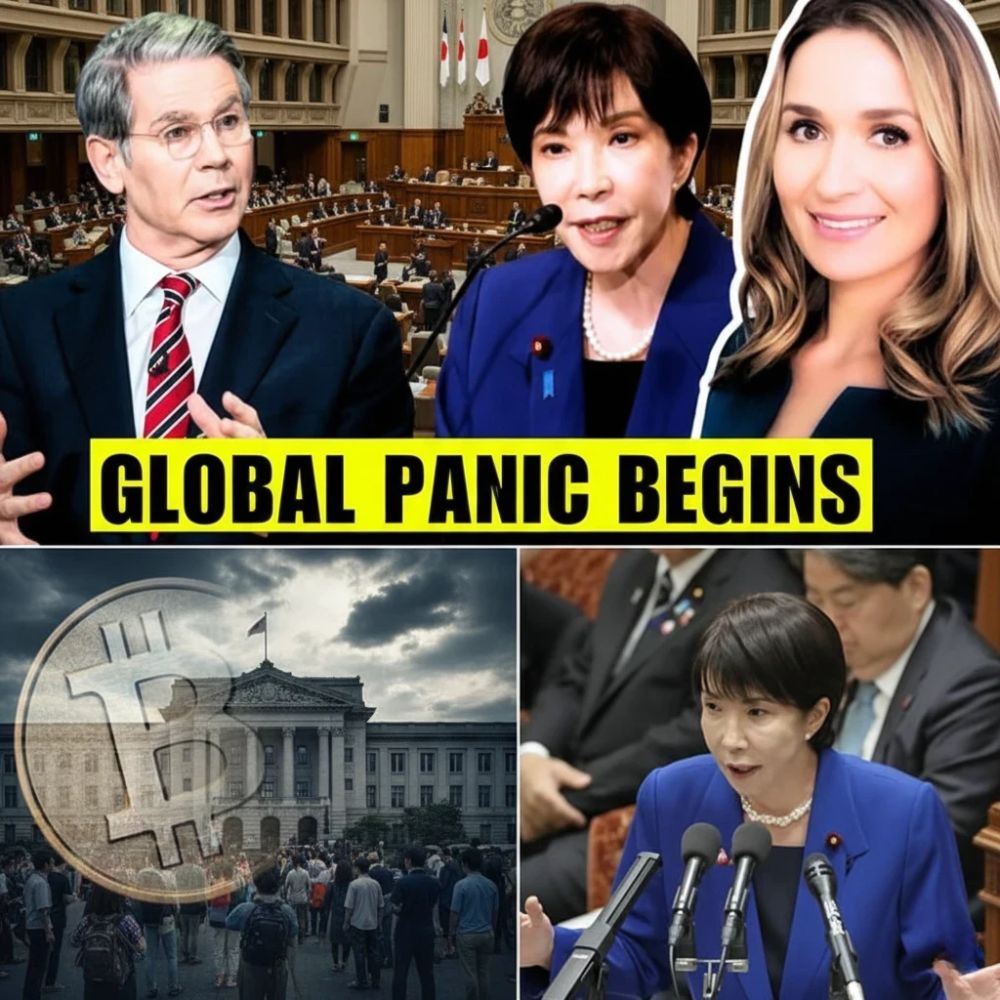
Japan has just sent shockwaves through the global financial markets, signaling a potential shift in its long-standing ultra-low interest rate policy. This unexpected announcement from the Bank of Japan has ignited fears of a cascading effect on economies worldwide.
In a stunning development, Bank of Japan Governor Kazu Oeda revealed that the central bank may consider a rate hike at its upcoming meeting in December. This marks a significant departure from decades of maintaining near-zero rates, positioning Japan to rejoin the global monetary tightening cycle.
Almost immediately, the news sent Japanese government bond yields soaring. The 2-year yield surged above 1% for the first time since 2008, while the 10-year yield climbed to nearly 1.9%. This rapid rise indicates that investors are bracing for a monumental policy shift with far-reaching implications.
The ripple effects were felt globally, as U.S. Treasury yields jumped, reversing previous expectations for aggressive rate cuts in 2026. The 10-year yield crossed the 4% threshold, while the 2-year rose to 3.5%. Analysts describe this reaction as a butterfly effect, where a single hawkish signal from Tokyo tightened financial conditions worldwide.
As Japanese rates become more attractive, investors may begin to withdraw capital from foreign bonds, particularly U.S. Treasuries and European sovereign debt. This shift could exacerbate the already challenging environment for Western governments that are heavily reliant on foreign investment to finance their deficits.
The Japanese yen reacted sharply, surging nearly 1% against the dollar in response to the news. Meanwhile, U.S. stock markets felt the tremors, with tech shares leading a decline. The NASDAQ and S&P 500 both dipped into the red as investors pulled back from riskier assets.
Compounding the turmoil, Bitcoin plummeted 7%, marking a significant downturn in a month-long decline that has wiped out over 20% of its value. The cryptocurrency’s volatility has become closely linked to high-growth equities, creating a precarious situation for investors.
Amidst this chaos, the likelihood of a Federal Reserve rate cut in December has surged to 88%. However, uncertainty looms beyond that, with expectations shifting dramatically following the prospect of a new Fed chair.
The dollar has taken a hit, suffering its worst week in four months due to a fading rate advantage and speculation surrounding leadership changes at the Federal Reserve. Manufacturing data revealing a contraction for the ninth consecutive month further compounds concerns about the U.S. economy’s strength.
As we head into December, all eyes are on monetary policy decisions that could have lasting consequences. The Bank of Japan’s potential pivot and the Fed’s anticipated rate cut will dominate discussions, with global markets bracing for volatility.
In this high-stakes environment, the message is clear: when Japan moves, the world reacts. Investors must stay alert as developments unfold, with implications that could ripple far into 2026 and beyond.