

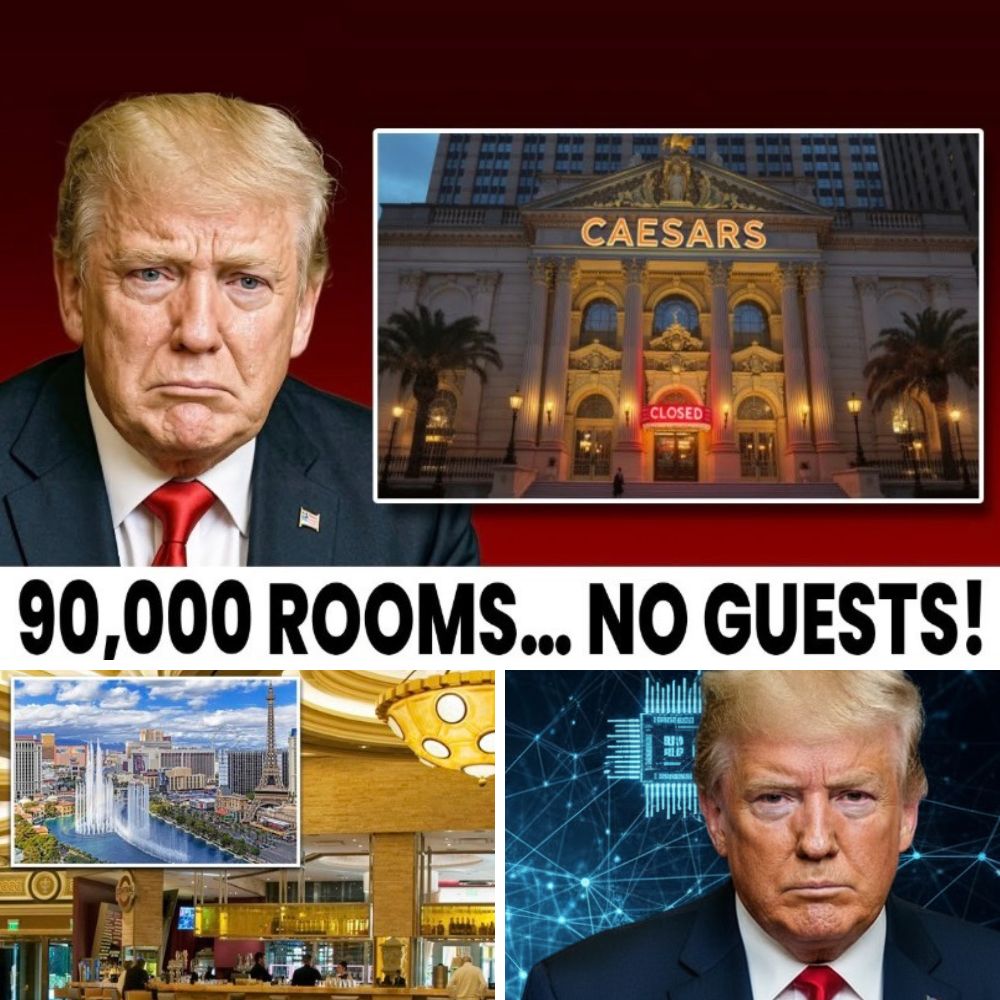
Las Vegas, once synonymous with glitz and glamour, is now grappling with an alarming tourism crisis as more than 90,000 hotel rooms went unsold this summer, signaling a potential collapse of its vibrant economy. The Las Vegas Convention and Visitors Authority has reported an 11% drop in visitor volume, particularly among international tourists, raising urgent questions about the city’s status as a premier travel destination.
The summer of 2025 has brought unprecedented silence to the Strip, a stark contrast to the bustling crowds that once filled its halls. Caesars Entertainment revealed that its occupancy rate has plummeted by approximately 5% compared to the previous year, with average daily room rates also declining. This downturn has led to substantial financial losses, with casino operations reporting nearly $30 million in deficits due to diminished foot traffic and gambling activity.
The implications of these statistics extend beyond mere numbers; they reflect a deepening crisis that is impacting the livelihoods of those who depend on tourism. Long-time workers in the hospitality industry are witnessing once-bustling hotels fall eerily quiet. A veteran front desk agent at Caesars Palace noted the unprecedented stillness, highlighting a stark transformation in the atmosphere that has defined Las Vegas for generations.
So, what is driving this downturn? The answer lies in rising costs. Travelers are now facing dramatically inflated prices for accommodations, dining, and entertainment. Hotel rates have surged, with some exceeding $400 a night when factoring in hidden fees and taxes. Flights have also become more expensive, influenced by rising fuel costs and limited routes. For many potential visitors, what was once an affordable getaway has morphed into an extravagant expense that few can justify.
International tourists are particularly affected, as the strong U.S. dollar has made Las Vegas a less appealing destination. Coupled with increased visa fees and global uncertainties, the barriers to visiting have grown, resulting in a shrinking tourism base. Compounding this issue, competing destinations like Miami and Mexico are gaining traction by appealing to younger travelers with more affordable options and transparent pricing.
The perception of Las Vegas is shifting; once viewed as a symbol of excitement and indulgence, it is now seen by some as overpriced and overly complicated. Many travelers express feelings of being shortchanged, with one visitor describing the experience as a “wallet trap.” This change in perception poses a serious threat to Las Vegas, as the city’s brand identity is fundamentally tied to its allure as a vibrant entertainment hub.
The current crisis is not isolated to Las Vegas; it reflects broader trends in global travel. Other major leisure destinations face similar challenges, with Macau struggling to recover and Dubai successfully diversifying its economy beyond tourism. Las Vegas finds itself at a crossroads, needing to adapt to the evolving preferences of modern travelers who prioritize meaningful experiences over extravagant displays.
The empty hotel rooms are more than just a seasonal anomaly; they symbolize a disconnect between what Las Vegas offers and what travelers now seek. Executives at Caesars and other major operators are beginning to recognize this shift and are exploring ways to reimagine the Strip’s appeal through more transparent pricing and immersive experiences.
However, time is of the essence. The urgency for transformation is palpable as Las Vegas risks losing its status as a premier destination. The silence echoing through its vacant rooms serves as a stark reminder of the potential consequences of inaction. The future of Las Vegas hangs in the balance, and its ability to adapt will determine whether it can reclaim its place as America’s playground or fade into obscurity.
As the city of lights confronts this critical juncture, it must learn to shine in new ways that resonate with today’s travelers. The fate of Las Vegas is not just a local concern; it is a reflection of shifting values in global tourism. Will Las Vegas rediscover its soul in a world that increasingly favors authenticity over excess? The answer will shape not only the Strip’s future but the landscape of tourism as a whole.