

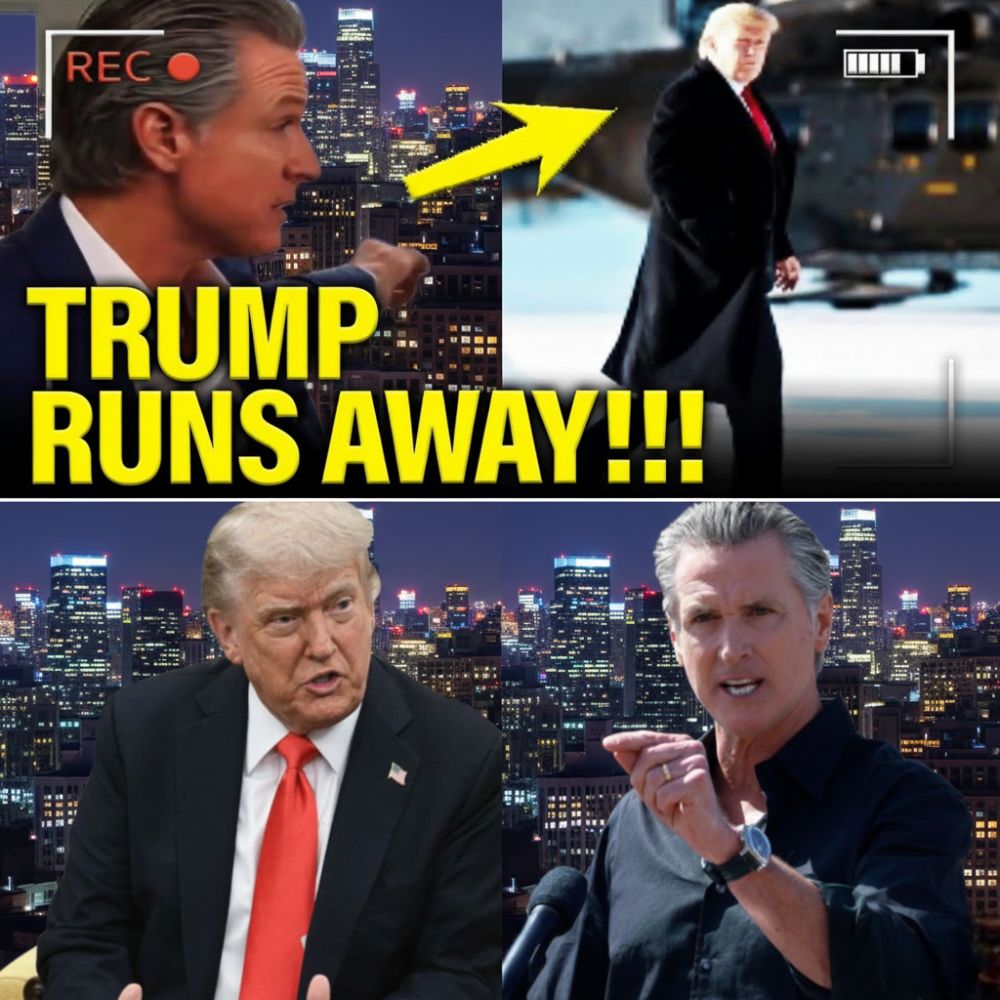
California Governor Says Trump Avoided Meeting on Wildfire Aid, Escalating Tension Between State and White House
WASHINGTON — California Governor Gavin Newsom traveled to Washington, D.C., this week seeking an urgent meeting with President Donald J. Trump to discuss federal emergency assistance for victims of the recent Los Angeles wildfires. Instead, according to Mr. Newsom, the White House abruptly canceled the meeting, triggering a cascade of political reactions and leaving one of the nation’s most populous states without direct communication on disaster relief.
Mr. Newsom said he had arrived prepared to meet the president, senior Homeland Security officials, or leadership at the Federal Emergency Management Agency. “Not a single person would meet with us,” he said in an interview overlooking the White House. “Not the president, not the secretary, not even a staffer.”
The White House did not publicly explain the absence, and officials from FEMA and the Department of Homeland Security declined to comment. But the governor described the refusal as “unprecedented” and “deeply troubling,” particularly given the long-standing national precedent of bipartisan cooperation during natural disasters.
In a series of comments—some delivered during interviews, others through posts on social media—Mr. Newsom criticized what he characterized as a “breakdown of basic governance.” He pointed to previous administrations, including Republican-led ones, which he said had consistently provided emergency assistance to disaster-stricken states regardless of political alignment. “There’s no room for partisanship when people are suffering,” he said. “Yet that is what we are witnessing now.”
Rather than meeting officials at the White House, Mr. Newsom held conversations with senators and members of Congress from both parties. Several lawmakers expressed concern at the administration’s apparent unwillingness to engage, noting that California’s request has been pending for months.
The governor’s frustration was amplified by his criticism of what he called a series of symbolic events hosted by the president in recent days—among them a high-profile awards ceremony and meetings with international sports executives—contrasting them with the administration’s absence from wildfire negotiations. “If there was time for that,” Mr. Newsom said, “there should have been time for a conversation about disaster relief.”
During an interview with political commentator Jack Cocchiorella, Mr. Newsom broadened his criticism to include issues such as the handling of recently unsealed Epstein-related files, the administration’s environmental rollbacks, and geopolitical concerns about China’s expanding clean-energy dominance. He argued that the administration’s retreat from electric vehicle standards and clean energy policy would weaken the United States economically. “This isn’t about ideology,” he said. “It’s about competitiveness.”
He also accused the Trump administration of undermining institutional norms and engaging in what he described as a “cult of personality,” saying the governing structure around Mr. Trump “is not an ideology, it’s a grift.” Without naming specific officials, he suggested that the administration was willing to blur legal boundaries, citing presidential pardons and federal actions he believes have undermined due process.
The governor’s rhetorical escalation continued online, where he posted satirical images referencing Trump’s “peace prizes,” foreign awards, and a proposed ornate ballroom near the White House. The posts—mocking in tone but pointed in political implication—quickly circulated across social media and provoked mixed reactions among supporters and critics.
Meanwhile, video released by the Midas Touch Network showed Mr. Trump inside the White House expressing frustration over judicial appointments and internal procedural constraints, offering a stark contrast in tone to Mr. Newsom’s external criticisms.
The dispute comes at a moment when California is seeking substantial federal aid following catastrophic wildfires that displaced thousands of residents and damaged critical infrastructure. Emergency assistance has historically been routine, especially in the aftermath of natural disasters, but California’s request remains unresolved.
Mr. Newsom said he intends to continue pressing the federal government, describing the issue as one of governance rather than politics. Departing Washington, he cited a biblical passage shared on his social media accounts: “I was a stranger and you welcomed me.” The implication, he said, was not religious but civic—an appeal to foundational principles of public service.
“Our institutions only function when leaders show up,” he said. “And right now, in this moment of crisis, the refusal to engage is not just a political failure—it is a failure of responsibility.”