

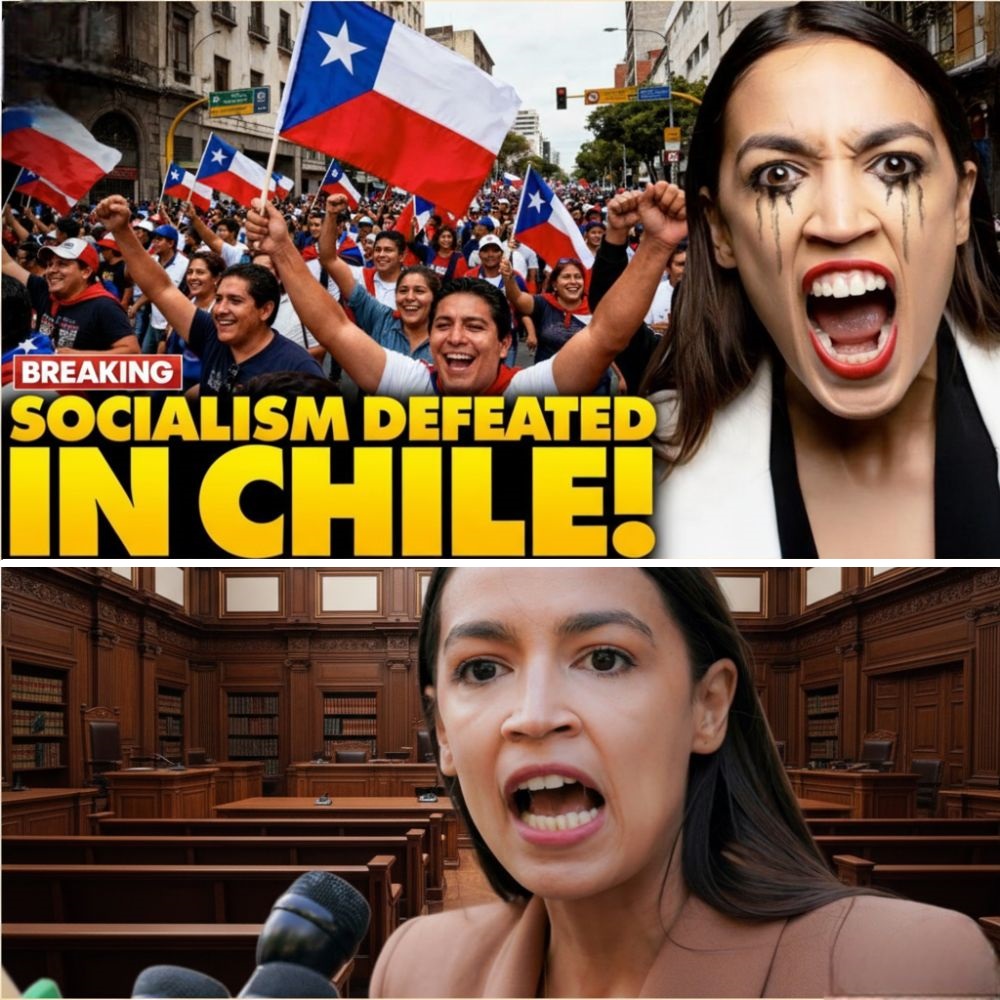
“Trump of South America” Wins in Chile: Landslide Election Ushers in Hardline Conservative Era
Lambert, Virginia – In a political earthquake felt across South America and beyond, Chile has elected its most right-wing president in decades, marking a dramatic shift in the country’s political landscape and signaling a broader continental turn toward nationalist and conservative governance. José Antonio Kast, an ultra-conservative former lawmaker often dubbed the “Trump of South America,” secured a stunning landslide victory, promising mass deportations, tough anti-crime measures, and a return to pro-family, pro-Catholic values.
A Landslide Victory
Kast’s victory was not just decisive—it was historic. Winning 58% of the national vote, he defeated his leftist rival, Communist candidate Camila Jara, by a commanding margin of nearly 20 points. Kast swept every region and district in the country, a feat rarely seen in Chilean politics. The center-left coalition, which had dominated Chilean governance for decades, was left reeling as voters overwhelmingly embraced Kast’s pledges to crack down on crime, revive the economy, and deport hundreds of thousands of undocumented immigrants.
The election results were immediately felt in financial markets, with the Chilean stock market surging in the hours following Kast’s victory. Investors signaled confidence in his promises to restore economic stability and reverse what many see as years of stagnation under left-leaning administrations.
Who Is José Antonio Kast?
A devout Catholic and father of nine, Kast has long been a fixture in Chile’s conservative circles. His campaign was characterized by hardline stances on immigration, crime, and social policy. Kast’s rhetoric drew frequent comparisons to former U.S. President Donald Trump, both for his unapologetic nationalism and his combative style.
Kast has made no secret of his admiration for Trump and other right-wing leaders in the region, including Brazil’s Jair Bolsonaro and Argentina’s Javier Milei. Throughout his campaign, Kast posted frequently about international conservative figures, championing “law and order” and denouncing what he called the failures of socialism and communism in Latin America.
“My faith and my family are at the heart of everything I do,” Kast said in his victory speech, flanked by his wife and children. “Chile has spoken. It is time to restore order, protect our borders, and defend the values that made this country great.”
The Regional Trend: South America’s Rightward Shift
Kast’s election is the latest in a string of right-wing victories across South America. Just weeks earlier, Argentina’s Javier Milei stunned observers by winning midterm elections on a platform of radical austerity and government spending cuts. In El Salvador, President Nayib Bukele has garnered international attention for his aggressive crackdown on gangs and crime, transforming what was once the murder capital of the world into a country where many citizens now feel safe.
Bolivia, Paraguay, and Peru have also seen surges in conservative sentiment, with voters increasingly rejecting left-wing policies in favor of nationalist platforms. Political analysts attribute this trend to widespread frustration with economic stagnation, rising crime, and a perceived loss of national identity.
“South America is freeing itself from impoverishing socialism,” Kast declared at a rally in Santiago, as thousands of supporters flooded the streets to celebrate his victory. “Long live freedom.”
Anti-Communism and Mass Deportations
Central to Kast’s campaign was a promise to crack down on illegal immigration and restore law and order. Chile has seen a sharp increase in crime and undocumented migration in recent years, with many citizens blaming left-wing governments for lax enforcement and open borders.
Kast pledged to deport hundreds of thousands of immigrants without legal status, arguing that unchecked migration was fueling crime and straining social services. He also vowed to revive Chile’s sluggish economy, once considered one of Latin America’s most stable and prosperous.
“Chileans are not alone in their demand for radical change,” Kast said in his acceptance speech. “We will restore safety and prosperity to every corner of this country.”
His opponent, Camila Jara, conceded defeat and promised to lead a minority government in opposition. “Democracy has spoken loud and clear,” she said. “We must respect the will of the people.”
International Reaction
The Trump administration was among the first to congratulate Kast on his victory, expressing confidence that Chile would advance “shared priorities” under his leadership. “The United States looks forward to working with President Kast’s administration in partnership,” read a statement from the State Department.
Kast’s win has been closely watched by international observers, many of whom see it as part of a global resurgence of right-wing populism. In Europe, right-wing and nationalist parties have made significant gains in countries like Poland and Bulgaria, fueled by concerns over immigration, crime, and national sovereignty. In Japan, conservative leader Stan Takachi—dubbed the “Trump of Japan”—has risen to prominence by railing against illegal migrants and championing Japanese identity.
Political commentators note that the current wave of conservatism is more pronounced than at any time since World War II, with nationalist leaders dominating elections on every continent.
The Backlash
Not everyone in Chile is celebrating Kast’s victory. Thousands of left-wing protesters took to the streets in Santiago and other cities, denouncing what they see as a dangerous turn toward authoritarianism. Police responded with water cannons and crowd control measures, but the demonstrations remained largely peaceful.
Critics warn that Kast’s hardline policies could exacerbate social divisions and undermine democratic institutions. “This is the most right-wing government Chile has seen in 35 years,” said political analyst Maria Gomez. “While many Chileans are desperate for change, there is a real risk that these policies could lead to abuses of power and human rights violations.”
Kast has dismissed these concerns, insisting that his administration will respect democratic norms and the rule of law. “We are restoring order, not dismantling democracy,” he said.
A New Era for Chile
Chile’s dramatic political shift comes after years of social and economic upheaval. The country was once hailed as a model of stability and prosperity in Latin America, but recent years have seen rising inequality, violent protests, and widespread dissatisfaction with the political establishment.
Kast’s victory represents a clear rejection of the status quo. His supporters see him as a champion of traditional values, national sovereignty, and economic revival. His detractors fear a slide into authoritarianism and social conflict.
For now, Kast faces the daunting task of delivering on his campaign promises. Chileans will be watching closely to see if he can deliver on his pledges to reduce crime, revive the economy, and restore national pride.
The Global Context: Nationalism on the Rise
Kast’s win in Chile is part of a much larger story—one that stretches from South America to Europe, Asia, and beyond. The rise of nationalist and conservative leaders has shaken the foundations of global politics, challenging the dominance of liberal and progressive movements.
In Europe, right-wing parties have made gains in Poland, Hungary, and Bulgaria, where protests against EU policies and migration have toppled governments. In Asia, nationalist leaders in Japan and India have asserted their countries’ identities and pushed back against international pressures.
Political analysts argue that this trend is driven by widespread dissatisfaction with globalization, economic uncertainty, and concerns over cultural change. “People want leaders who will defend their interests, protect their borders, and restore order,” said international relations expert Dr. Samuel Lee. “The rise of figures like Trump, Kast, and Milei reflects a global demand for change.”
What’s Next for South America?
With right-wing leaders now in power in Chile, Argentina, and El Salvador—and potentially on the rise in Colombia and Brazil—South America could soon be dominated by conservative governments. Some observers predict that socialism may fall in Venezuela due to economic collapse and political upheaval.
This shift could have far-reaching consequences for regional cooperation, trade, and international relations. It may also reshape the continent’s approach to issues like immigration, crime, and social policy.
“South America is at a crossroads,” said political scientist Ana Rodriguez. “The choices made in the next few years will determine whether the region continues on the path of nationalism and conservatism or returns to progressive governance.”
Conclusion: A Divided Future
As Chile celebrates the election of José Antonio Kast, the country stands at the threshold of a new era. Kast’s victory is a triumph for conservative and nationalist forces, both in Chile and across South America. Yet it also highlights deep divisions within society—divisions that will shape the country’s future for years to come.
Whether Kast can deliver on his promises remains to be seen. For now, his supporters are jubilant, his opponents wary, and the world is watching as Chile embarks on a bold, uncertain journey.