

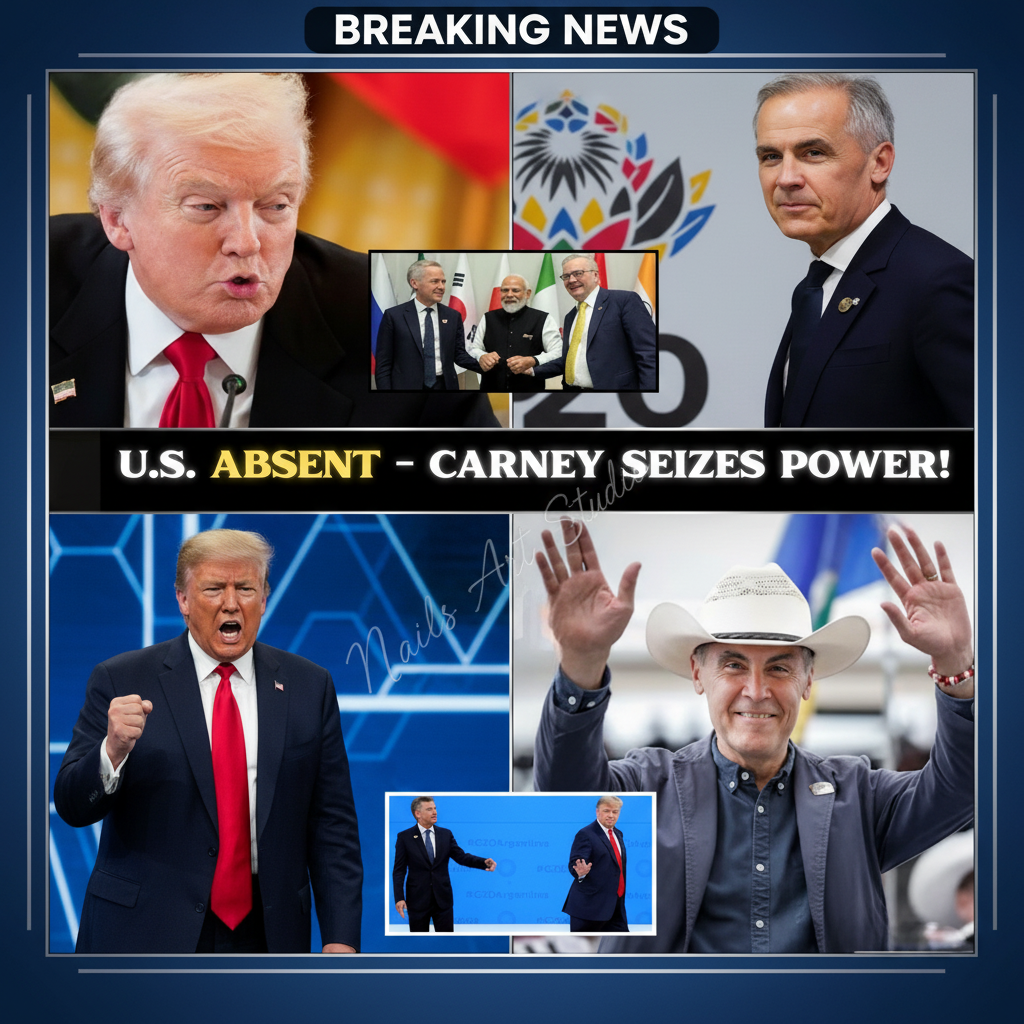
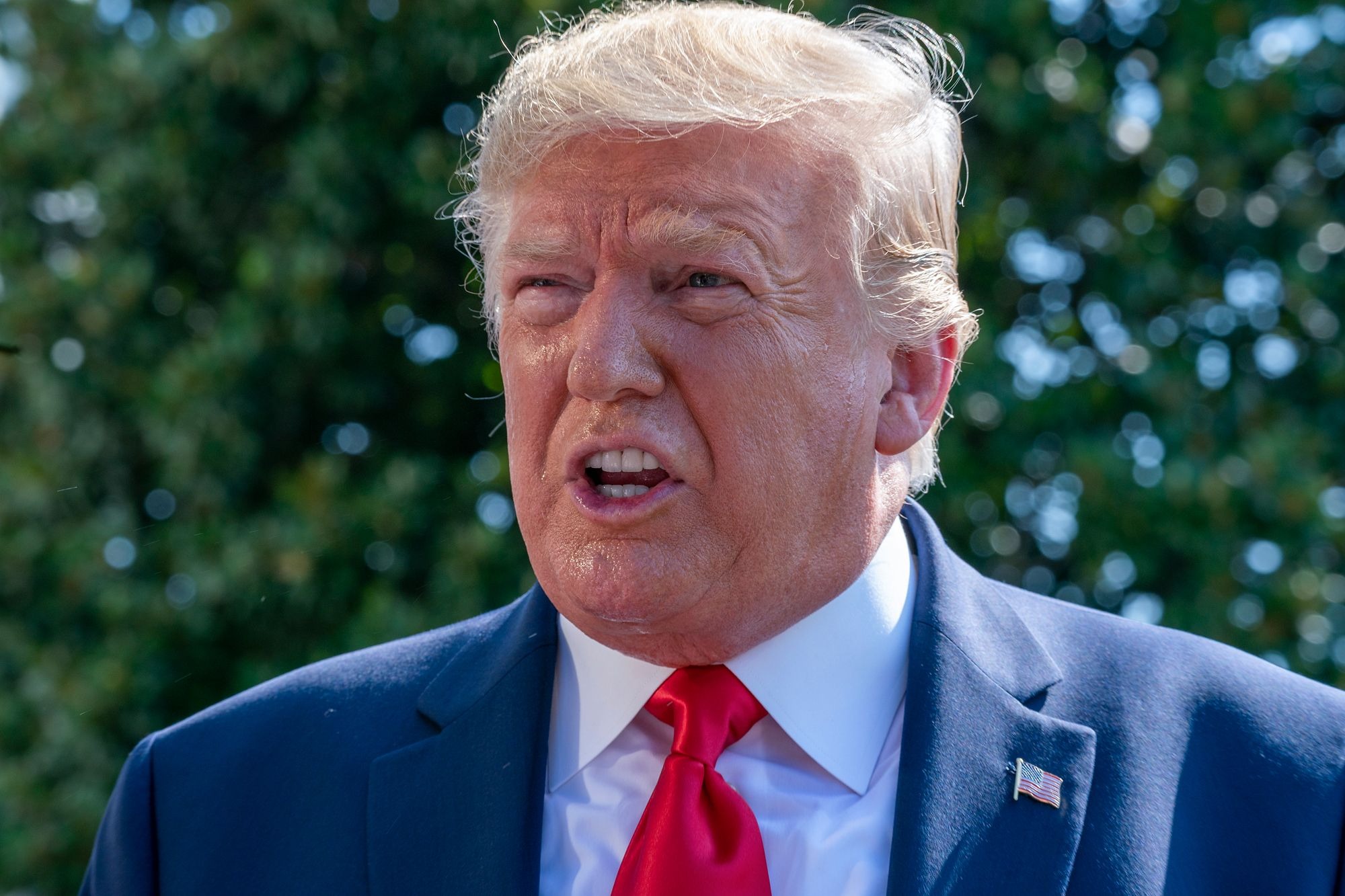
In a stunning turn of events at the G20 summit in Johannesburg, the absence of the United States, marked by an empty chair where former President Donald Trump should have been, created an unprecedented power vacuum that Canada swiftly filled. With Trump boycotting the summit and making unfounded claims about South Africa, the stage was set for a dramatic shift in global diplomacy. Enter Mark Carney, Canada’s former central bank governor and a key figure in the country’s economic strategy, who seized the moment to redefine Canada’s role on the world stage.
The summit, which represented two-thirds of the global population, was expected to be dominated by the usual heavyweights. However, as leaders arrived to negotiate trade and resolve disputes, the conspicuous absence of the American delegation transformed the atmosphere. Without the U.S. overshadowing discussions, smaller and mid-tier nations found their voices, creating an environment ripe for new alliances and partnerships.
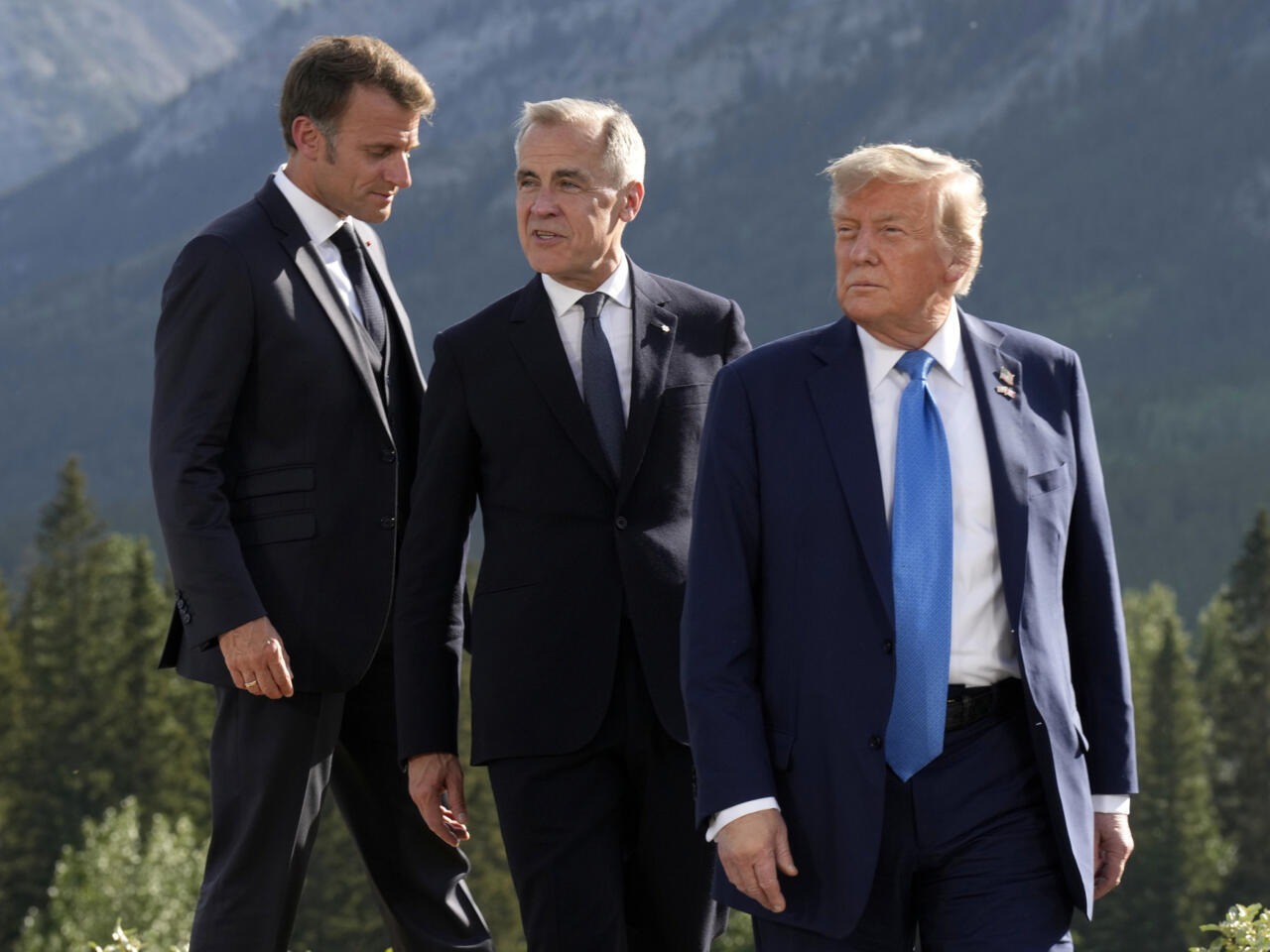
Carney’s arrival in Johannesburg was anything but subtle. Having already secured a monumental commitment of over $90 billion from the United Arab Emirates for investments in clean energy, infrastructure, and technology, Carney’s presence signaled a strategic pivot for Canada. This investment, one of the largest in Canadian history, not only bolstered Canada’s economic prospects but also positioned it as a reliable partner in a world increasingly wary of instability.

The significance of Carney’s diplomatic blitz extended beyond mere financial commitments. His meetings with key global leaders, including India’s Prime Minister Narendra Modi, revealed a willingness to explore new cooperation frameworks, particularly in energy and technology. The dialogue between Canada and India, marked by a mutual recognition of shared goals and potential, underscored Canada’s emerging role as a stabilizing force amid a shifting geopolitical landscape.
As the summit progressed, the dynamics of power shifted dramatically. Leaders who once viewed Canada as a secondary player began to accord Carney the respect and attention typically reserved for global heavyweights. The absence of American leadership opened doors that had long remained closed, allowing Canada to step into a role that many had not anticipated.
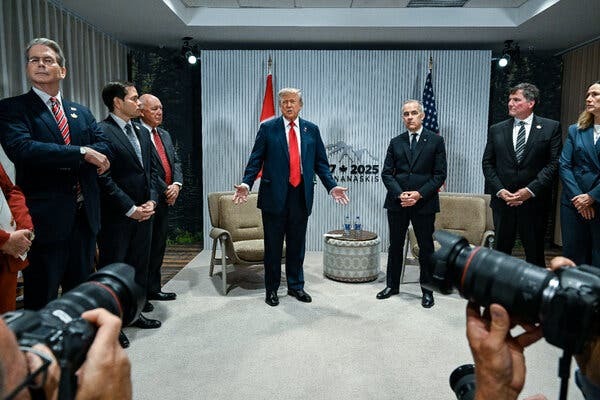
By the summit’s conclusion, Carney’s assertion that “Canada is ready for what comes next” resonated deeply. This statement encapsulated a decisive moment in Canadian foreign policy, signaling a break from decades of dependency on the United States. Rather than merely reacting to global events, Canada is now poised to shape them, positioning itself as a proactive player in international affairs.
The Johannesburg G20 summit will be remembered not for the absence of the United States but for the emergence of Canada as a new voice in global diplomacy. In a world where stability is increasingly elusive, Canada’s strategic maneuvering under Carney’s leadership represents a significant shift. This moment marks the dawn of a new era, where Canada no longer lingers in the shadows of its southern neighbor but confidently steps into the light, ready to redefine its identity and influence on the world stage.