

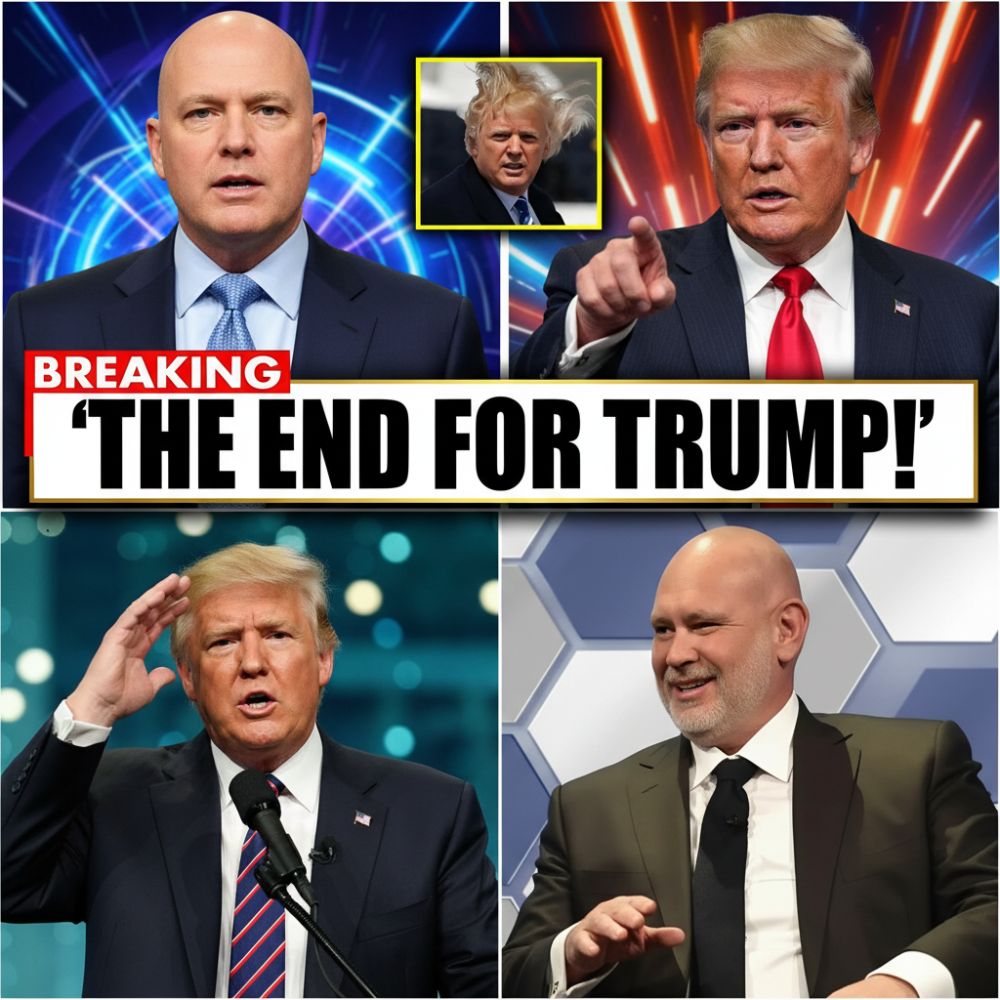
The political media landscape was thrown into chaos after The Lincoln Project released two new viral parody ads targeting former President Donald Trump, triggering an explosive reaction across social media and conservative media circles. What began as a routine political news cycle quickly escalated into a full-scale internet meltdown, with millions of users reacting, sharing, and debating the implications of the ads within hours of their release.
The Lincoln Project, a well-known anti-Trump political action committee composed of former Republican strategists, unveiled the parody ads in rapid succession. Both videos employed sharp satire, visual symbolism, and Trump’s own past statements to highlight what the group framed as contradictions, controversies, and vulnerabilities surrounding his leadership style and public persona. The tone was unapologetically aggressive, designed to provoke emotional reactions and dominate online discourse.
Almost immediately, the ads began trending across multiple platforms, including X (formerly Twitter), YouTube, TikTok, and Facebook. Hashtags related to Trump, the Lincoln Project, and political satire surged, while clips from the ads were reposted by influencers, journalists, and political commentators on both sides of the ideological spectrum. The speed at which the content spread underscored the growing power of short-form, shareable political media in shaping public narratives.
According to widespread reports and online speculation, Trump reacted furiously to the ads. He reportedly lashed out in private conversations and public posts, accusing the Lincoln Project of running deceptive propaganda and attacking media outlets for amplifying the videos. While Trump has long portrayed himself as resistant to criticism, the intensity of his response fueled further attention, drawing even more viewers to the parody ads and intensifying the online reaction.
Supporters of Trump quickly mobilized to defend him, labeling the ads as unfair, misleading, and politically motivated. Conservative commentators criticized the Lincoln Project for what they described as character assassination and mockery rather than substantive debate. At the same time, critics of Trump celebrated the ads as a rare instance of political messaging that successfully punctured his media dominance using humor rather than traditional opposition tactics.
Political analysts noted that the incident highlights a broader shift in modern political communication. Satire, parody, and meme-driven content now play a central role in shaping voter perceptions, often reaching audiences that traditional campaign ads fail to engage. The Lincoln Project’s approach demonstrated how viral parody can bypass conventional media filters and directly influence online conversation at scale.
The controversy also reignited debates about the ethics and effectiveness of political parody. Supporters argue that satire is a legitimate form of political expression protected by free speech and essential to holding powerful figures accountable. Critics counter that parody ads risk oversimplifying complex issues and further polarizing an already divided electorate.
Beyond the immediate backlash, the episode revealed the ongoing struggle for narrative control in the digital age. Trump’s political brand has long relied on dominating media cycles through provocation and rapid response. However, the overwhelming virality of the Lincoln Project’s parody ads suggested that even seasoned media figures can lose control of the narrative when confronted with highly shareable, emotionally charged content.
As the internet continued to debate, dissect, and remix the ads, the story evolved from a simple release of parody videos into a case study in modern political warfare. The combination of satire, social media algorithms, and intense public reaction illustrated how quickly political messaging can spiral into a viral phenomenon with real-world implications.
Ultimately, the release of the two parody ads and Trump’s explosive response underscored a defining reality of contemporary politics: in an era driven by virality, perception often matters as much as policy. The incident will likely be remembered not just for its shock value, but for what it revealed about power, influence, and the rapidly changing rules of political communication online.