

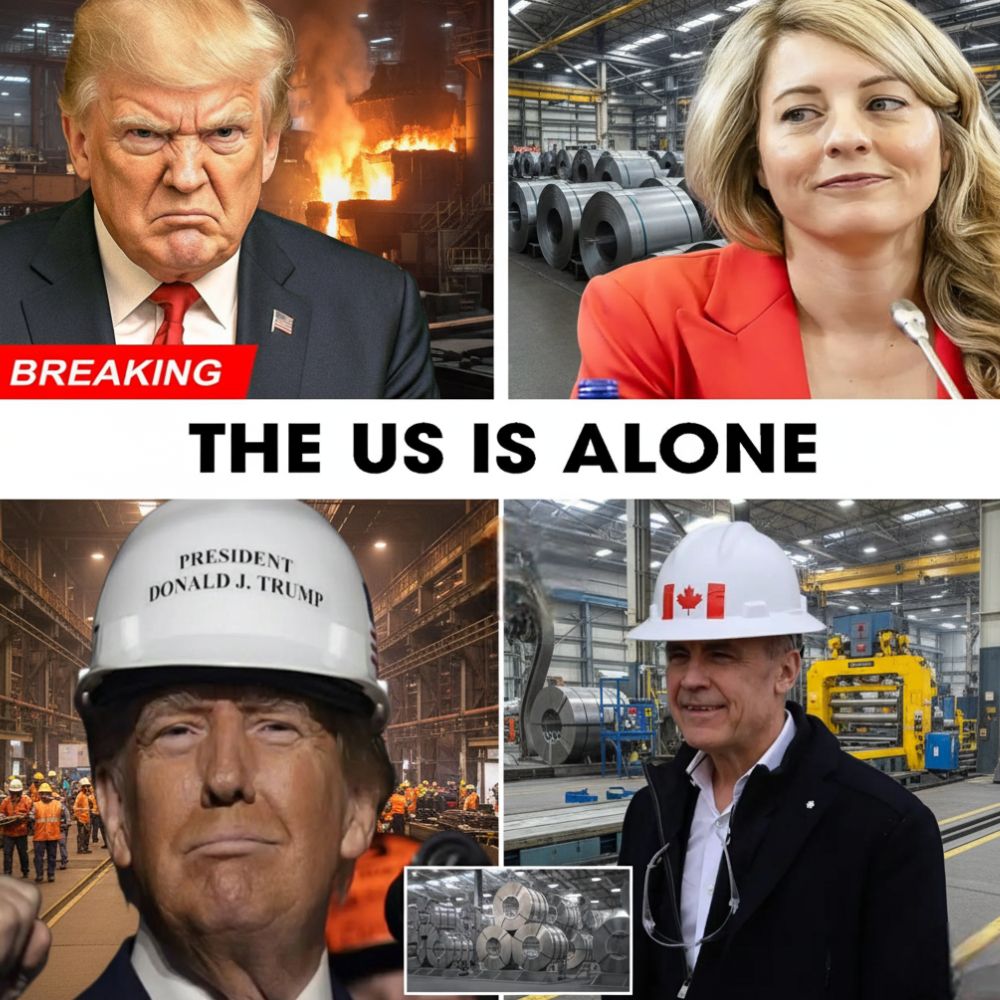
In a shocking escalation of trade tensions, former President Donald Trump has implemented a staggering 50% tariff on imported steel from Canada, leaving industry leaders and workers reeling. This dramatic move is not merely a political maneuver; it could redefine the balance of power in North American steel production.
Canada’s Foreign Affairs Minister, Mélanie Joly, has responded robustly, signaling a strategic pivot that could reshape the country’s steel industry. Instead of retaliating with knee-jerk measures, Ottawa appears to have been preparing for this moment, having already invested hundreds of millions of dollars to bolster domestic steel producers.
This proactive approach marks a significant departure from traditional responses, which often involved seeking exemptions or matching tariffs. Instead, Canada is focusing on self-reliance, aiming to reduce its dependence on U.S. markets. This shift could fundamentally alter the landscape of the steel industry, allowing Canada to reclaim control over pricing and production.
The implications of this tariff extend far beyond steel producers. Everyday consumers will feel the repercussions as prices for various goods rise. The steel industry is a linchpin for multiple sectors, from construction to defense, and any disruption can ripple through the economy. As Canada seeks to pivot towards domestic demand, it is also laying the groundwork for a more resilient economy. This transition is not without challenges; workers in steel-dependent regions face uncertainty as the industry restructures. However, the long-term vision aims to create a sustainable economy less vulnerable to external shocks.
Moreover, the current situation highlights the importance of diversified markets. By shifting focus from reliance on U.S. exports to domestic needs, Canada can build a more stable economic foundation. This approach not only secures jobs but also fosters innovation in new steel products tailored to national priorities.
The stakes are high. If successful, Canada’s strategy could serve as a blueprint for other nations grappling with similar vulnerabilities in their industrial sectors. However, the government must ensure that this transition does not leave workers behind. Transparency, accountability, and fair labor standards are crucial as the industry evolves.
In conclusion, the tariff imposed by Trump may have been intended as a punitive measure, but it has inadvertently catalyzed a transformative moment for Canada. The nation is poised to redefine its steel industry, pivoting towards self-sufficiency and resilience, while navigating the complexities of economic interdependence. The world will be watching closely as this story unfolds.