

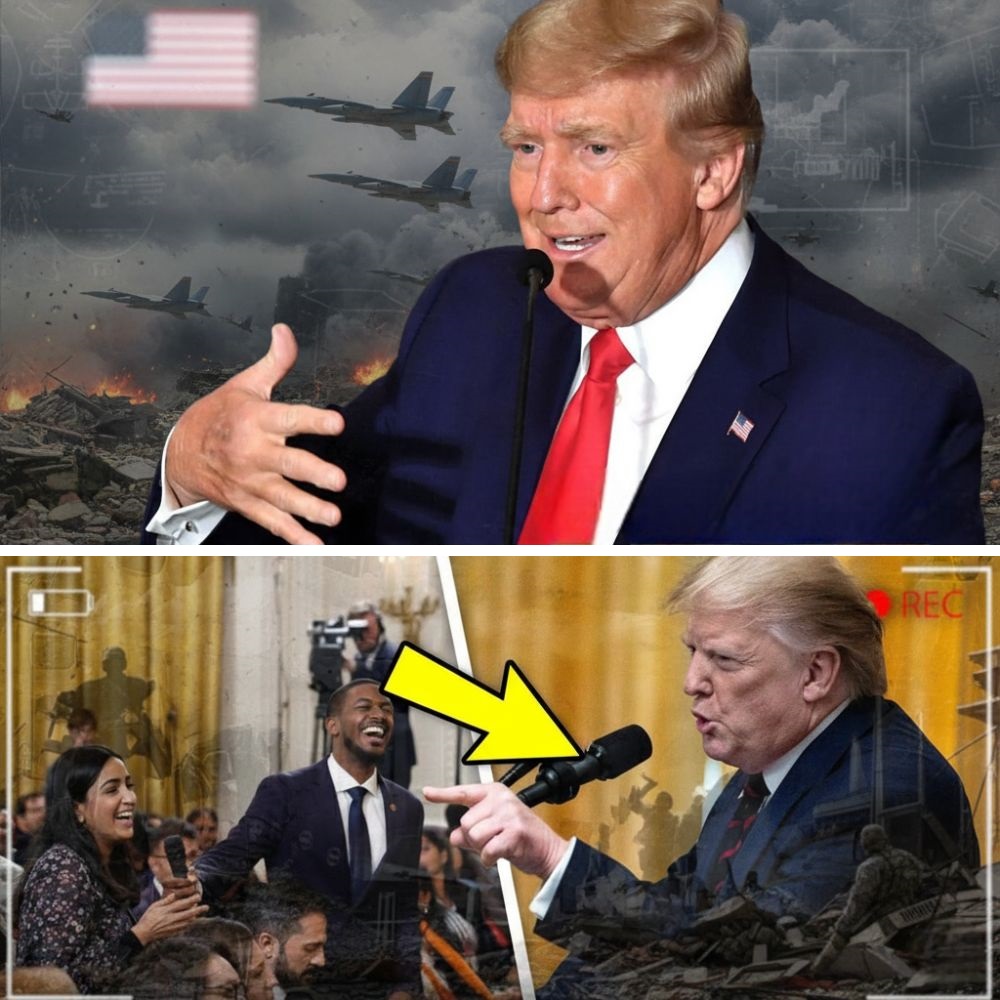
In a stunning and surreal twist, a group of seasoned reporters erupted into uncontrollable laughter on live television while dissecting the FBI’s handling of a critical case involving pipe bombs planted outside the Democratic and Republican National Committee headquarters. The incident not only exposed glaring failures within the bureau but also spotlighted a humiliating lapse tied directly to former President Donald Trump’s leadership and appointees.
This explosive reaction unfolded during a news panel discussion that veered sharply from solemn analysis to disbelief and amusement, fueled by the profound absurdity of the FBI’s recent blunder. At the heart of the controversy lies the arrest of Brian Cole Jr., a 30-year-old Virginia man charged with planting pipe bombs near Washington D.C. party headquarters—a case astonishingly delayed for nearly five years before charges were brought.
Cole’s confession to FBI agents over a grueling four-hour interrogation revealed a shocking motive fueled by political support for Donald Trump and a belief that the 2020 presidential election was stolen. Yet, the man’s anarchist-tinged social media posts introduced confusing layers, complicating investigators’ efforts to pin down his exact intentions.
Despite this damning admission, the more troubling headline was the nearly half-decade lapse in connecting key dots that allowed a violent threat to remain unresolved for so long. This glaring delay has ignited fury and bewilderment among experts and the public alike, casting a harsh spotlight on the highest levels of the FBI.
The pivotal moment came when the panel aired clips of Dan Bonino, the FBI’s Deputy Director, whose prior career as a conspiracy theory podcaster sharply contrasts with his current federal tenure. Before joining the Bureau, Bonino vocally declared the pipe bomb attacks were “an inside job,” accusing anti-Trump insiders of orchestrating a cover-up. Now, in his official position, he insists he bases investigations strictly on facts, a claim that triggered ridicule and disbelief among the panelists.
The juxtaposition of Bonino’s prior incendiary rhetoric and his present denials exposed a profound disconnect, leaving the assembled journalists unable to suppress their laughter. The irony was palpable: a top FBI official who once propagated conspiracy theories now tasked with leading objective investigations.
New York Times Justice Department correspondent Glenn Thrush weighed in, painting a grim portrait of Bonino’s tenuous standing within the Trump administration. Thrush detailed bitter clashes between Bonino and senior officials, predicting the deputy director’s firing by mid-January amid escalating internal conflicts and loss of trust.
But Bonino’s predicament points to a broader institutional crisis. Trump’s administration has infused critical roles with individuals whose backgrounds lie predominantly in punditry, speculation, and conspiracy promotion rather than law enforcement expertise. Alongside Bonino, figures like Cash Patel demonstrate a pattern of recent converts from podcaster fame to government officials struggling to reconcile evidence with prior sensational claims.
These officials’ inability to transition from media personalities to rigorous fact-driven investigators undermines the FBI’s credibility. Patel’s own abrupt reversal on the existence of Epstein files exemplifies the chasm between prior rhetoric and hard realities, with investigative work offering none of the dramatic revelations anticipated by these figures.
The cse’s mishandling, combined with Bonino’s public contradictions, vividly encapsulates the current turmoil within America’s top federal investigative body. As trust in the FBI erodes, the line between political theater and national security blurs dangerously.
The panel’s laughter, though initially cathartic, underscored a deeper tragedy: the once-revered institution has been hollowed out, its integrity compromised by misplaced appointments and political interference. The surreal spectacle of a deputy director caught between past conspiratorial commentary and present official duty symbolizes the FBI’s existential struggle to reclaim legitimacy.
Looking ahead, the question remains: how will the agency restore faith and functionality amidst these embarrassing setbacks? With reports suggesting imminent departures of key Trump-era appointees, the FBI faces a critical crossroads, balancing public expectation for accountability against the political realities that led to its current state.
This unfolding saga—equal parts farce and crisis—offers a stark warning on the dangers of blending partisan theatrics with national security responsibilities. The arrest of Brian Cole Jr., the delayed investigation, and the ensuing media spectacle mark a turning point in how America views its premier law enforcement agency.
For now, the spectacle of high-ranking FBI officials caught in a web of contradictions and public mockery serves as a sobering reminder: the stakes are immense, and the fallout from this unprecedented blunder will reverberate far beyond the halls of the Bureau.
As the January deadline looms for Bonino’s possible exit and an agency grappling with internal chaos, one thing is clear—this is no ordinary scandal. It is a profound institutional embarrassment with national security implications, one that demands urgent and decisive action.
The FBI’s future, once a symbol of steadfast justice, now hangs in delicate balance, its reputation battered by political missteps, delayed justice, and leadership scandal. The nation watches, stunned, as comedy and tragedy collide in real time, revealing the fragility of institutions once taken for granted.