

Americans Push Back: The “If You Hate America, Leave!” Debate and the Immigrant Experience
Introduction
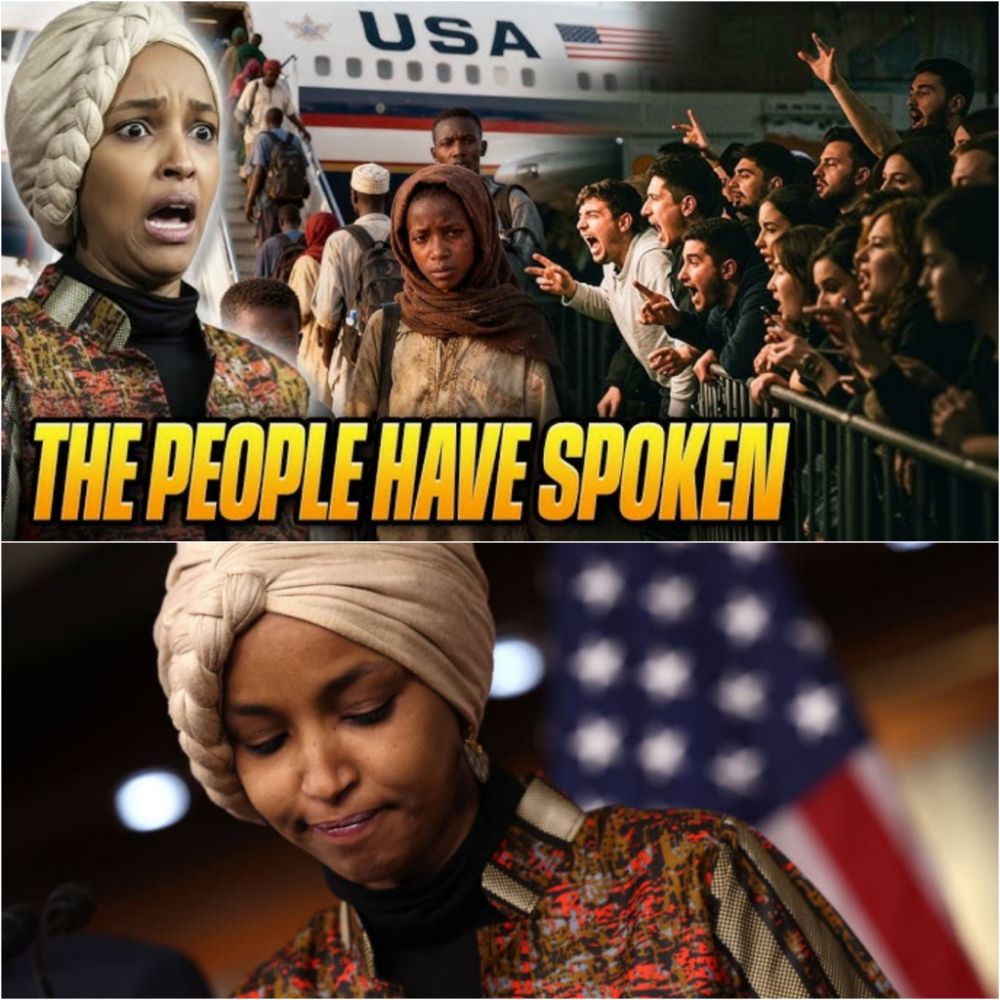
In recent years, debates about immigration, assimilation, and American identity have erupted across the nation, fueled by viral clips, outspoken commentators, and a political climate that encourages polarization. The sentiment that “if you hate America, leave” has gained traction among segments of the population who feel that new arrivals are not showing enough gratitude or willingness to assimilate. This article explores the roots of this backlash, the arguments on both sides, and the complex realities facing immigrants and native-born Americans alike.
The Rise of the “If You Hate America, Leave!” Sentiment
The phrase “if you hate America, leave” is not new, but recent social media compilations and public discourse have amplified its popularity. Clips of Americans expressing frustration with immigrants—particularly those perceived as ungrateful or unwilling to assimilate—are shared widely online. These voices reflect a growing impatience with what some see as a lack of respect for American values, traditions, and the sacrifices made by previous generations.
One Vietnamese-American commentator highlights the achievements of his own community, noting that despite arriving in the United States less than 50 years ago, Vietnamese immigrants have established thriving businesses and contributed significantly to society. He contrasts this with other immigrant groups who, in his view, demand special treatment or fail to integrate.
“We have never asked anybody to bow down or speak our language… Our communities are thriving throughout the United States. We’ve given back to this country more than we’ve taken.”
This perspective is echoed by others who argue that America should only welcome immigrants who are hardworking, educated, and eager to become part of the national fabric.
Assimilation and the American Ideal
At the heart of these debates is the concept of assimilation. Many Americans believe that newcomers should adopt the language, customs, and values of their new home. The expectation is not only to contribute economically but also to embrace the social and cultural norms that have shaped the country.
Critics of current immigration policies argue that too many immigrants “leech off” the system, seeking benefits without giving back or respecting the nation’s traditions. Some go so far as to suggest that only those willing to serve in the military or pledge unequivocal loyalty should be allowed to stay.
“We need people who are willing to sacrifice their lives for this country, not people who are coming just because it’s better.”
Others point to the importance of learning English, understanding American laws, and integrating into local communities as prerequisites for acceptance.
The Somali Experience: Stereotypes and Realities
Somali immigrants, in particular, have become a focal point for criticism in some online circles. Clips circulate of Americans expressing discomfort with Somali neighbors, questioning their willingness to assimilate, and accusing them of arrogance or disrespect.
“I certainly don’t want Somalian immigrants living in my neighborhood or in this country for that matter. Most of the world doesn’t provide the right kind of people that you would want immigrating to your country.”
This harsh rhetoric is often accompanied by sweeping generalizations about work ethic, education, and cultural compatibility. The underlying message is clear: only those who fit a narrowly defined American ideal are welcome.
Yet, the reality of Somali immigration is far more nuanced. Many Somali-Americans have overcome immense hardship, escaping violence and poverty to build new lives in the United States. They have established vibrant communities, contributed to local economies, and navigated the challenges of integration while maintaining their cultural heritage.
Political Rhetoric and the Trump Effect
The debate over immigration and assimilation has been heavily influenced by political leaders, most notably former President Donald Trump. His blunt statements—“If you don’t like America, leave”—have resonated with supporters who feel that national pride and loyalty are under threat.
Trump’s hardline stance on immigration, including travel bans and increased deportations, has polarized the country. Supporters argue that he is simply defending American interests, while critics accuse him of fostering division and xenophobia.
“Trump said, ‘If you don’t like our country, get the hell out. Go back to where you came from.’”
This rhetoric has emboldened those who advocate for stricter immigration policies and assimilation, while also fueling resentment and fear among immigrant communities.
The Complexity of Gratitude and Critique
One of the most contentious aspects of the debate is the expectation that immigrants must always be grateful and refrain from criticizing the United States. Some Americans view any complaint or activism as evidence of ingratitude, arguing that those who dislike the country should simply leave.
“If you want to come over here and start complaining and whining about what’s going on in America… We love America. We didn’t ask for this here. Y’all came, invaded our land, our country, and all that there. If you don’t like it, don’t follow me.”
Others see this attitude as stifling legitimate dissent and ignoring the struggles that many immigrants face. For refugees and asylum seekers, America may represent hope and opportunity, but that does not mean their experiences are free from hardship or injustice.
The Double Standard: Criticizing America vs. Advocating for Change
Critics of the “love it or leave it” mentality point out that America’s strength lies in its ability to evolve and improve. Many of the nation’s greatest achievements—from civil rights to technological innovation—have been driven by those willing to challenge the status quo.
Immigrants, like all Americans, have the right to voice concerns, advocate for change, and participate in the democratic process. The expectation of unquestioning gratitude ignores the reality that progress often requires critique and activism.
“If America is so bad, why do you want these illegals to be here? If it’s so racist, if it’s so terrible, why would you be advocating for people to come to a terrible country?”
This argument, while rhetorically powerful, oversimplifies the motivations of those seeking a better life. For many, America represents the best available option, even if it is imperfect.
The Role of Media and Social Networks
Social media has played a significant role in amplifying these debates. Viral clips, commentaries, and compilation videos spread messages quickly, often without context or nuance. While some platforms provide space for thoughtful discussion, others encourage outrage and polarization.
The echo chamber effect can reinforce stereotypes and deepen divisions, making it harder for Americans to engage in constructive dialogue about immigration and national identity.
The Reality of Immigrant Contributions
Despite the backlash, immigrants continue to make substantial contributions to American society. From small businesses to scientific research, from cultural enrichment to military service, newcomers have helped shape the nation’s character and success.
The Vietnamese-American community highlighted earlier is just one example. In cities across the country, immigrants have revitalized neighborhoods, created jobs, and introduced new ideas and traditions.
The expectation that all immigrants must assimilate completely ignores the value of diversity and the ways in which different cultures have enriched American life.
The Question of Assimilation: Balancing Heritage and Integration
Assimilation is a complex process, involving both adaptation and preservation. While learning English, understanding the law, and participating in civic life are important, many immigrants also seek to maintain their cultural identities.
The challenge is to find a balance that respects both individual heritage and the shared values of American society. This requires openness, empathy, and a willingness to learn from one another.
The Military Service Proposal: Loyalty and Sacrifice
Some commentators propose mandatory military service as a requirement for citizenship, arguing that it demonstrates loyalty and a willingness to sacrifice for the country.
“Maybe it should be a requirement that these individuals who want to come to America should be required to serve in the military.”
While service can be a powerful symbol of commitment, critics warn that such policies may exclude vulnerable populations, including refugees and those with legitimate reasons for seeking asylum.
The Debate Over Illegal Immigration
Illegal immigration remains a flashpoint in the national conversation. Many Americans support strict enforcement of immigration laws, arguing that everyone should follow the proper process to become a citizen.
“I cannot believe that I live amongst people who actually think people shouldn’t have to go through the proper processing in order to become a citizen.”
Others point out that the system is often slow, complex, and inaccessible to those fleeing danger or seeking a better life. The balance between compassion and enforcement is difficult to achieve, and political leaders often use the issue to mobilize their base.
The Impact of Presidential Policies
The transcript highlights an important point: deportations and immigration enforcement did not begin with Trump. Previous administrations, including President Obama’s, also implemented strict policies. The difference lies in the rhetoric and public perception.
“Which president in US history deported the most illegals? We all know it’s Barack Hussein Obama.”
This reminder complicates the narrative and challenges the idea that immigration enforcement is solely a product of conservative politics.
The Importance of Dialogue and Understanding
The “if you hate America, leave” debate reflects deep anxieties about national identity, loyalty, and the future of the country. While it is important to address concerns about assimilation and respect, it is equally vital to recognize the humanity and aspirations of those who come to America seeking a better life.
Constructive dialogue, empathy, and a commitment to shared values can help bridge the gap between native-born Americans and immigrants. The nation’s history is one of both struggle and progress, shaped by those willing to challenge, adapt, and contribute.
Conclusion: Moving Forward Together
The eruption of frustration against “ungrateful immigrants” is a symptom of broader social and political tensions. While some Americans demand absolute loyalty and assimilation, others advocate for diversity, inclusion, and the right to critique and improve the nation.
The reality is that America’s strength lies in its ability to welcome newcomers, adapt to change, and learn from difference. The path forward requires balancing pride in national identity with openness to new ideas and experiences.
Immigrants, like all Americans, have a role to play in shaping the future of the country. By fostering dialogue, respecting heritage, and working together, the nation can move beyond division and build a more inclusive and resilient society.