

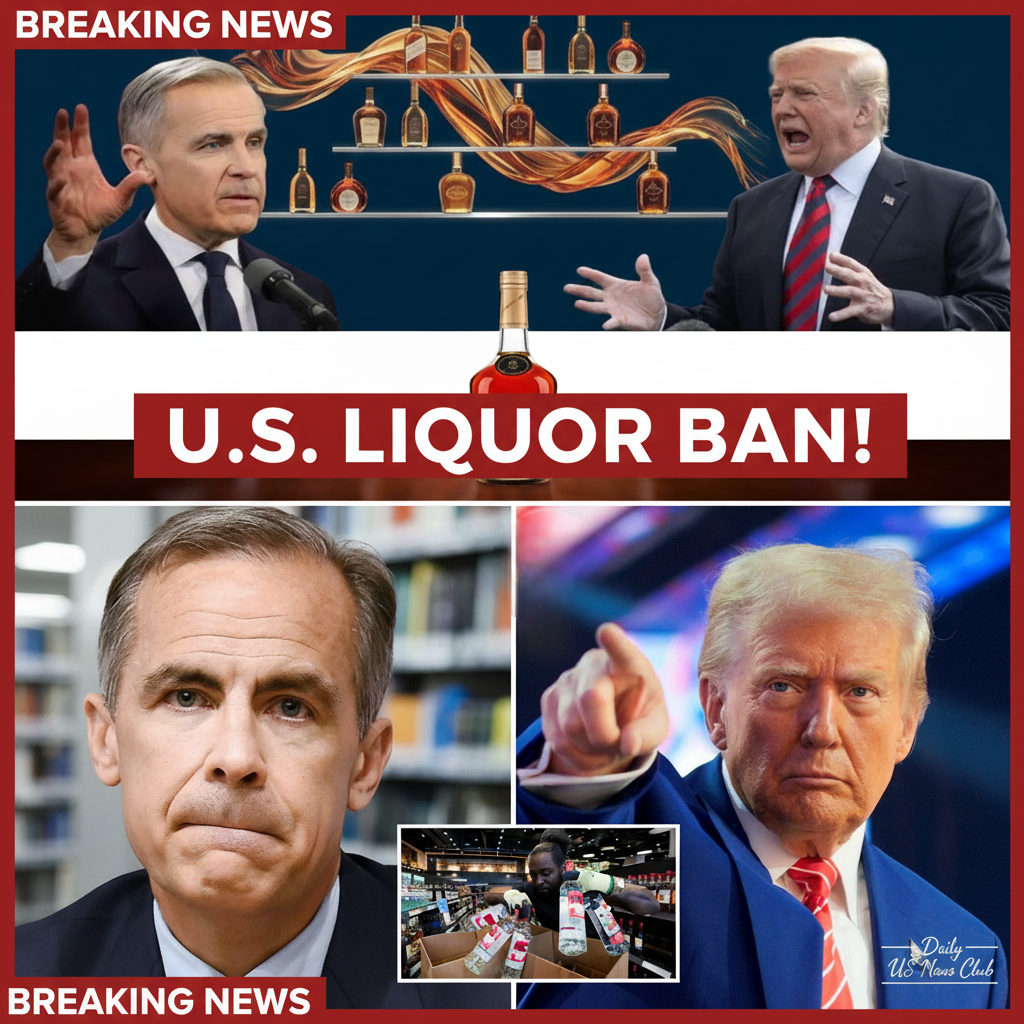
A coordinated economic counterstrike from Canada has sent shockwaves through the U.S. alcohol industry and delivered a stark lesson in trade policy miscalculation. Provinces across the nation are systematically removing American-made spirits, wine, and beer from retail shelves in a unified response to U.S. tariff threats, collapsing exports and leaving American warehouses overflowing.

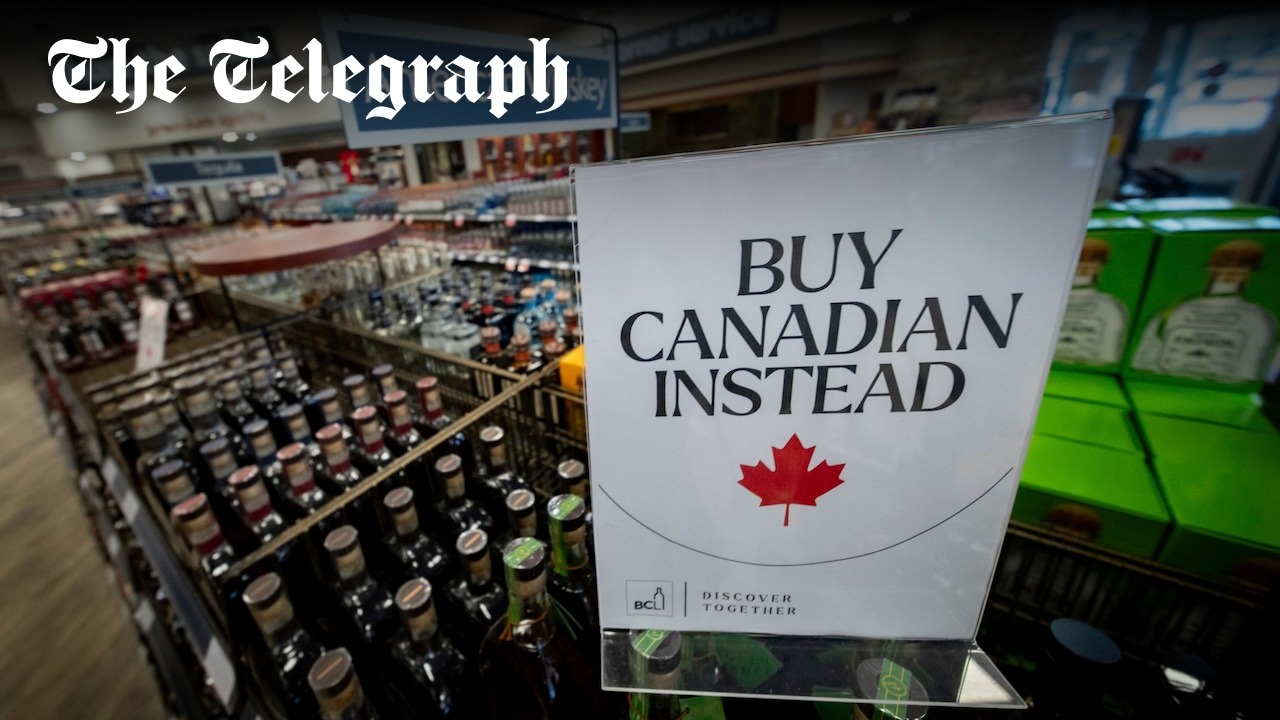
The movement, transforming a trade dispute into a matter of national pride, began with British Columbia exploring its options. It quickly escalated into a full-blown, strategic boycott. Manitoba disposed of nearly $30,000 worth of U.S. alcohol, pulling all products and refusing to profit from them.
Nova Scotia and Quebec followed, with the latter donating expiring U.S. stock to charities and community events. This provincial coordination sent an unmistakable message: Canada would not be bullied into compliance with policies deemed unfair.
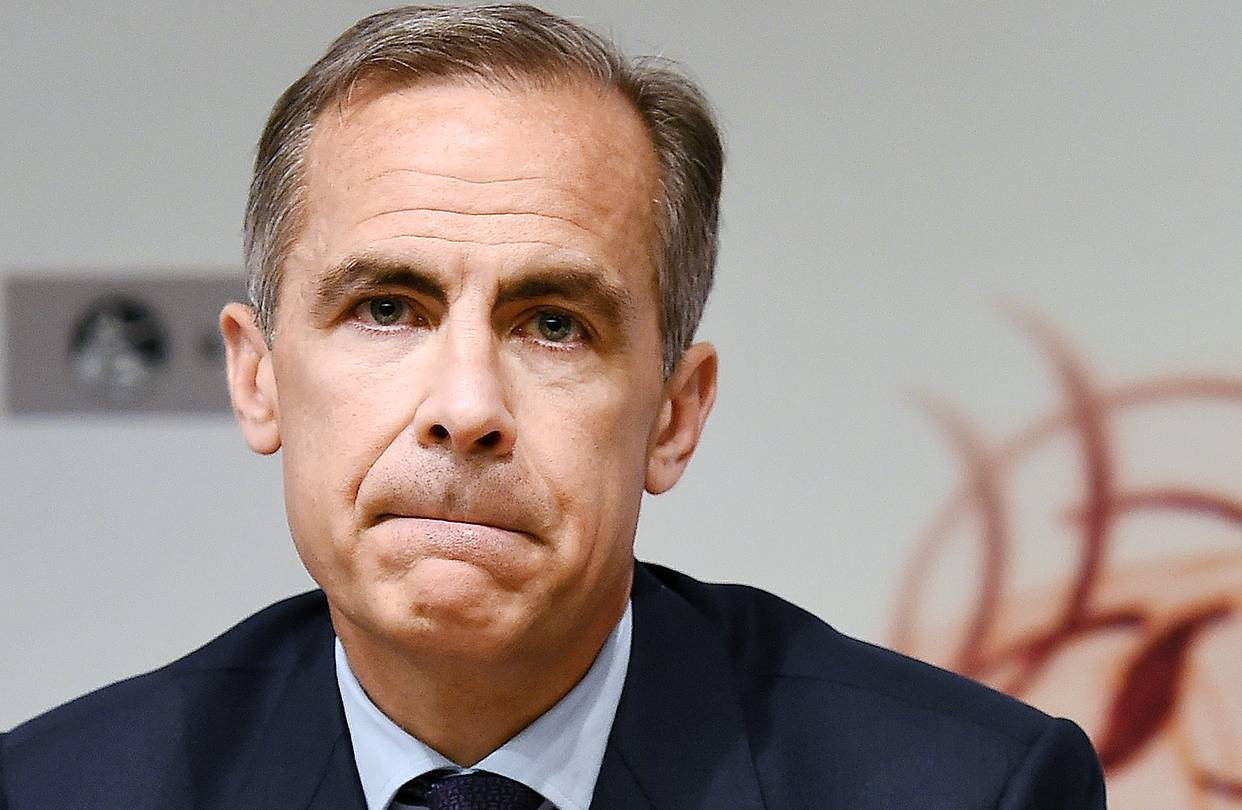
The campaign found its most potent and deliberate expression in Ontario. Premier Doug Ford transformed sentiment into decisive economic action, authorizing the removal of tens of millions of dollars in American alcohol from stores.
These products now sit locked in warehouses, with no clearance sales planned. “Go out there, buy Ontario booze,” Ford urged citizens, framing the boycott as support for local industry rather than hatred for Americans.
The financial impact is immediate and severe. U.S. exports of alcoholic beverages to Canada have collapsed virtually overnight. Industry leaders are sounding alarms as production lines face sudden disruption and cross-border supply chains seize up.
Ford has positioned himself at the forefront of this calculated resistance. He emphasizes respect for the American people while adopting an unyielding stance against the U.S. administration’s tactics.
“This isn’t about hating American citizens,” Ford has stated, but about protecting Canadian jobs and sovereignty. He argues that the U.S. underestimated Canadian resilience and unity.
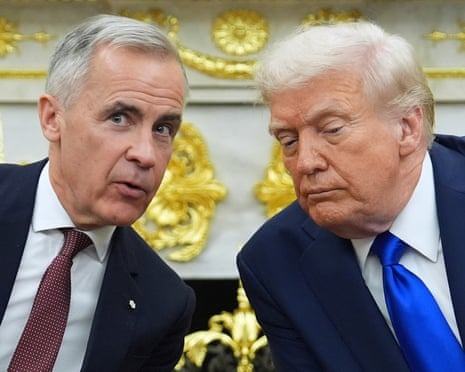
Every unsold bottle of bourbon, every canceled shipment, and every full U.S. warehouse now serves as a growing monument to a strategic blunder. The tariffs designed to exert pressure have boomeranged, punishing American producers first.
The provincial leaders have turned consumer choice into a powerful geopolitical lever. What began as a reaction to a threat has evolved into a sustained, methodical campaign of economic pushback.
Diplomatic channels are strained as the consequences ripple beyond the liquor industry. The dispute threatens to sour broader trade relations and cooperation, with Canadian officials demonstrating a newfound willingness to engage in hardball tactics.
Ford frames the conflict in personal terms, a necessary stand against arrogance. “I’m fighting like hell and we’re going to protect Canada,” he declared, vowing to also defend auto and steel workers caught in the crossfire.
The boycott has morphed from a symbolic gesture into a tangible economic weapon. It demonstrates a national capacity for patient, collective action that has taken Washington by surprise.
Analysts note the stark contrast between the U.S.’s abrupt tariff announcements and Canada’s slow-rolling, coordinated response. The latter is proving far more damaging and difficult to counter.
There is no quick resolution in sight. The locked warehouses in Ontario represent frozen capital and a frozen relationship, with Canada showing no sign of relenting without significant concessions.
The story is no longer about tariffs alone. It is about a fundamental miscalculation of a neighbor’s character and resolve. Canada has chosen to make the cost of this miscalculation painfully clear.
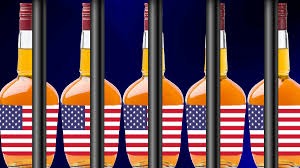
American producers are now lobbying their own government for relief, creating internal political pressure. The strategy has effectively turned the tables, making the pain mutual and immediate.
Ford continues to play the long game, demonstrating that in a test of wills and economic endurance, a united front can withstand significant pressure. The price of American alcohol is now paid in lost market share and diplomatic friction.This episode will likely redefine the Canada-U.S. trade dynamic for years to come. It establishes a precedent for how secondary economies can respond to coercive trade measures from a larger partner.
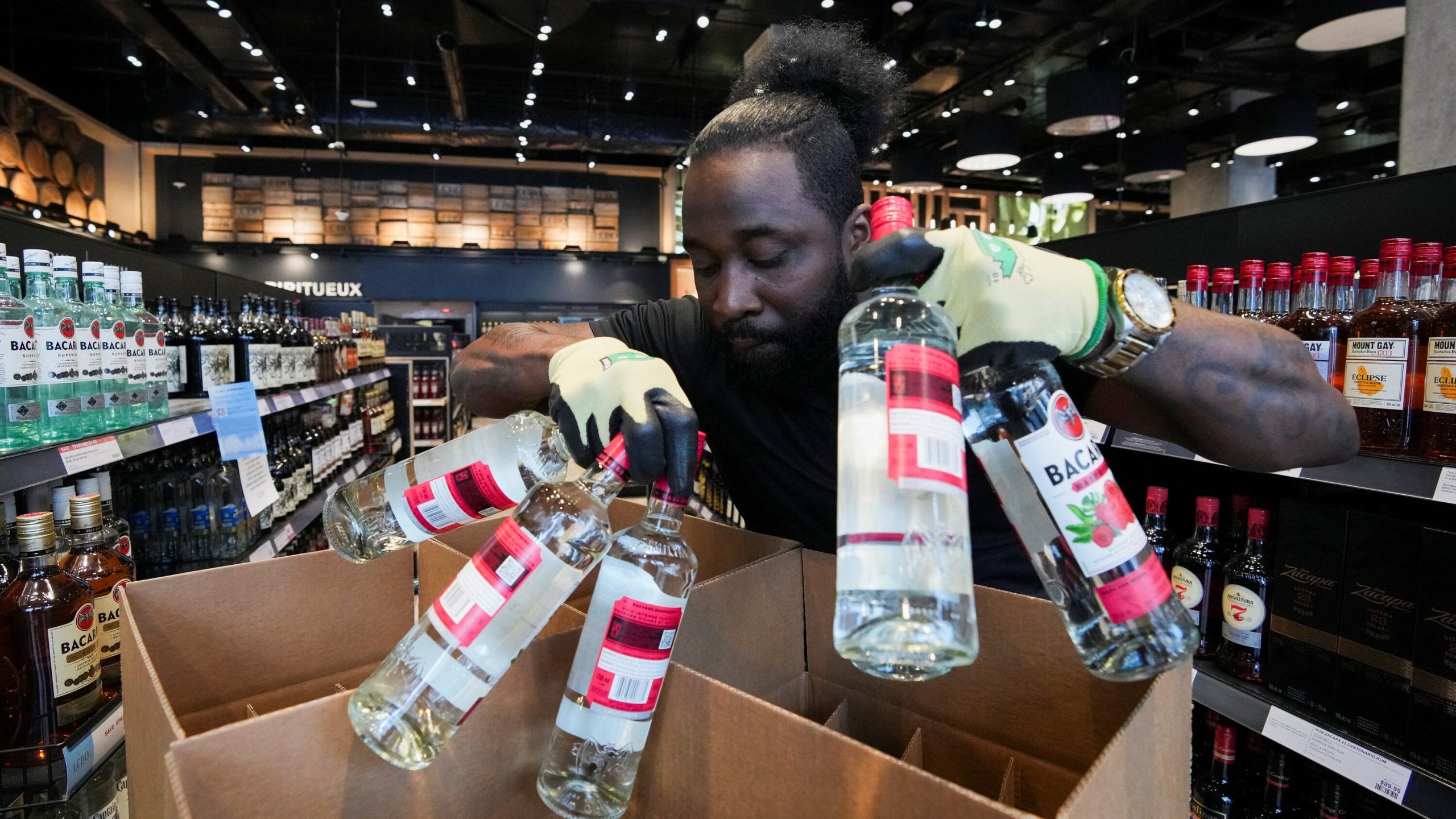
The empty shelf space in Canadian liquor stores is now a powerful political symbol. It represents a void in trade, a rupture in camaraderie, and a bold statement of economic independence.As the boycott persists, its effects will deepen, potentially spurring a permanent shift in Canadian consumer habits and supply chains. The long-term damage to American brand loyalty may far exceed the short-term sales loss.The united provincial front, from BC to Ontario, has proven that a decentralized response can be powerfully coherent. This unity has been the key to transforming protest into potent policy.