

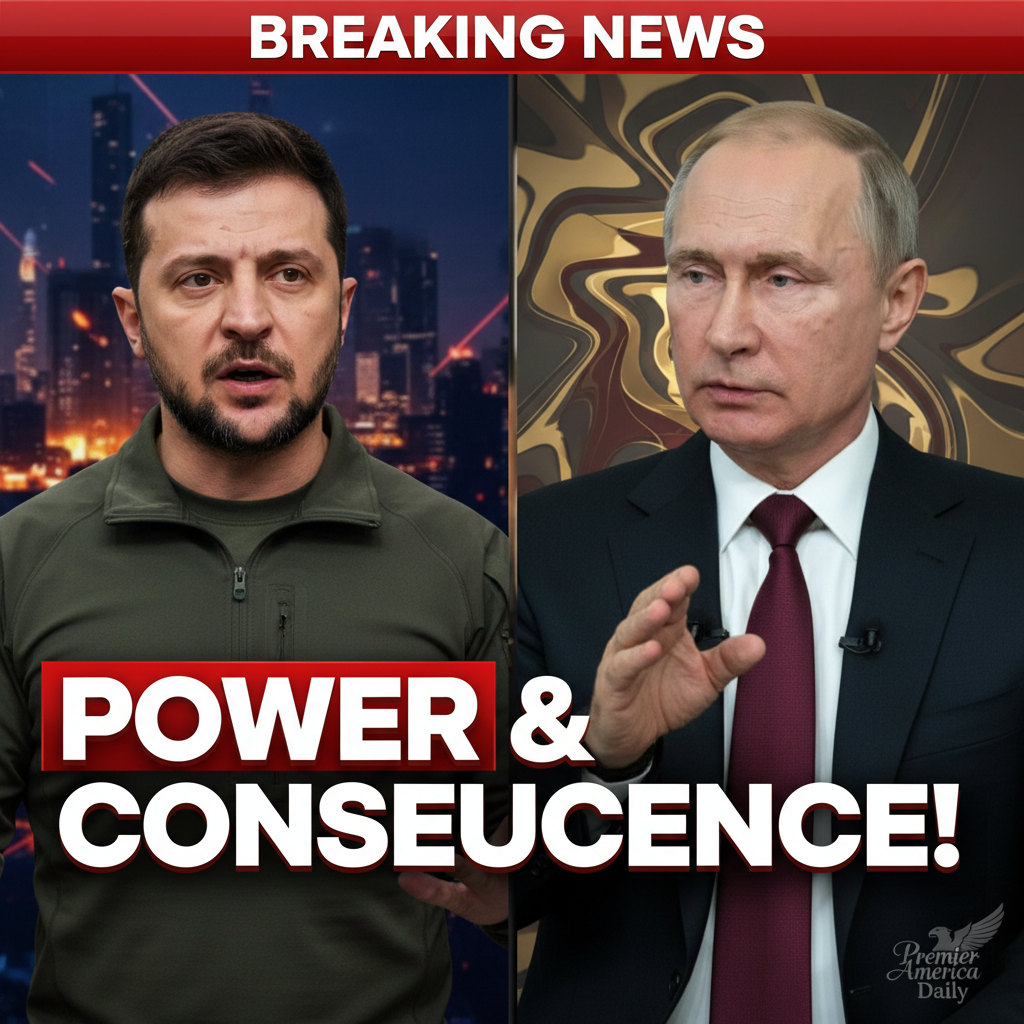
Ukrainian President Volodymyr Zelenskyy delivered a bold and unwavering message to the world: Ukraine will not surrender any of its territory to Russia. In a statement that resonated deeply within the international community, Zelenskyy rejected a proposed peace framework that included territorial concessions, reinforcing Ukraine’s commitment to its legal and moral obligations.
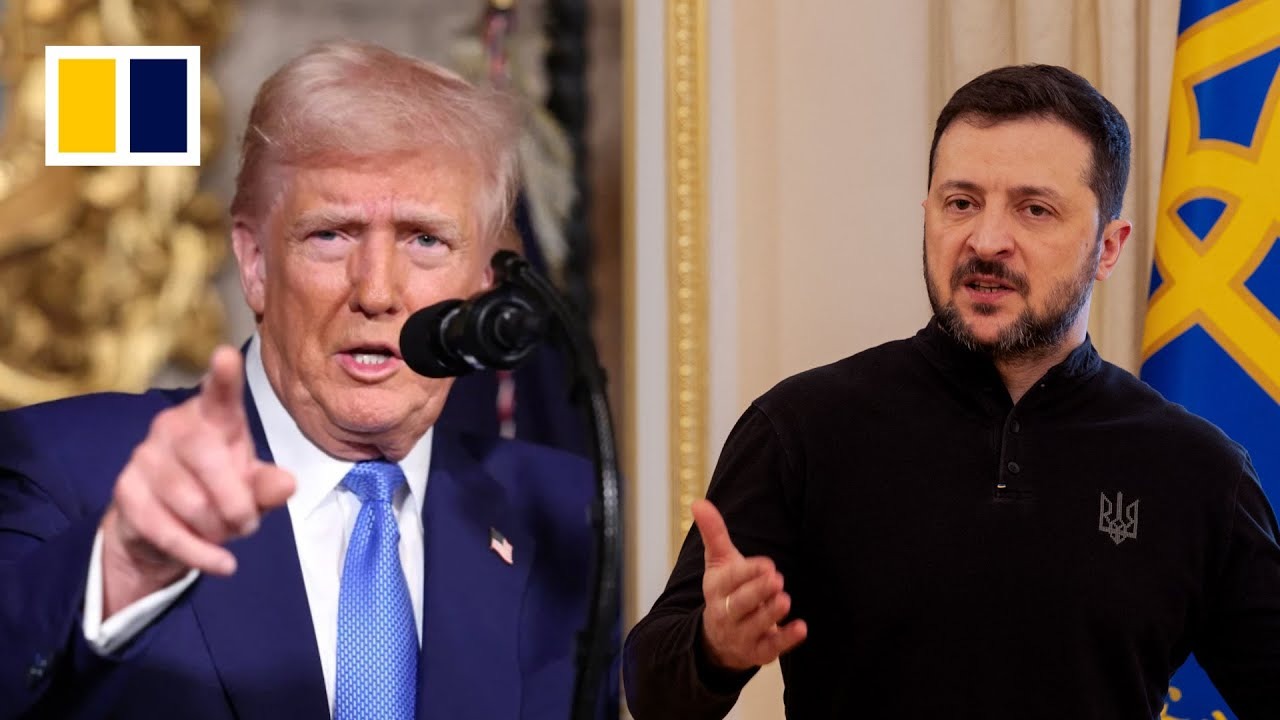
In his remarks, Zelenskyy made it clear that compromising Ukraine’s territorial integrity would not be entertained, regardless of the political pressure from various corners of the globe, including proposals endorsed by U.S. negotiators. “Under our laws, under international law, and under moral law, we have no right to give anything away,” Zelenskyy asserted, doubling down on his country’s stance against ceding any part of its land to Russian control.
His comments followed intense discussions with European leaders who were part of ongoing peace efforts aimed at resolving the ongoing conflict between Russia and Ukraine. However, Zelenskyy’s refusal to yield territory threw a wrench in the peace framework, which reportedly reflected key demands from Russia. As European leaders stood behind Ukraine’s position, other parties called for continued negotiations to reach a resolution that could bring an end to the war.
This powerful declaration came amidst a backdrop of escalating tensions, where both military and diplomatic maneuvers were at play, and the fate of occupied territories hung in the balance. But Zelenskyy’s refusal to entertain the notion of territorial compromises underlined the high stakes in the peace process.
The Rejection of Territorial Concessions: Legal and Moral Duty
Zelenskyy’s rejection of territorial concessions stems from his firm belief that Ukraine’s territorial integrity is non-negotiable. Under both national and international law, Ukraine holds the right to its borders and sovereignty. The notion of yielding land to Russia is not just a political decision; for Zelenskyy, it is a matter of abiding by the laws that govern the nation’s self-determination.
From the moment Russia’s invasion began in February 2022, Ukraine’s leaders have consistently communicated that they will not cede any of their land. This position reflects the deeply ingrained principle of self-determination, which underpins not only Ukraine’s laws but also international law. The United Nations Charter, to which Ukraine is a signatory, explicitly prohibits the acquisition of territory by force, a violation that Russia has been accused of throughout the conflict.
Zelenskyy’s emphasis on moral law also ties into Ukraine’s collective sense of national identity. The people of Ukraine, having endured the hardships of war and occupation, see the rejection of territorial concessions as a matter of national pride and dignity. Surrendering land would be seen as a betrayal of the sacrifices made by thousands of Ukrainian soldiers and civilians, who have fought fiercely to defend their homeland.
In rejecting the peace framework that included territorial concessions, Zelenskyy has signaled his commitment to uphold the values that have fueled Ukraine’s resistance: freedom, sovereignty, and the unyielding desire to maintain its territorial integrity.
The Role of International Negotiations: U.S. and European Involvement
The peace framework that Zelenskyy rejected was not born in a vacuum. It reflected a series of diplomatic efforts involving major international actors, including European Union leaders and U.S. negotiators. These efforts were rooted in the desire to bring an end to the brutal conflict that has claimed tens of thousands of lives and displaced millions.
However, Zelenskyy’s rejection of the peace proposals reflects the delicate balancing act that Ukraine is facing: while seeking to end the war, it cannot do so at the expense of its territorial sovereignty. The U.S. and European countries, which have provided Ukraine with significant military and economic support, have expressed a strong desire for a diplomatic resolution. Yet, they must also contend with the fact that peace must be built on the principles of fairness and respect for Ukraine’s territorial integrity.
The U.S. has been especially active in facilitating dialogue, but the inclusion of territorial concessions within the peace framework has created a rift. U.S. negotiators pushed for a resolution that could pave the way for a ceasefire and eventual peace talks, but Zelenskyy’s position emphasized that Ukraine’s sovereignty could not be compromised. This has added an element of complexity to the peace process, where both the U.S. and European leaders must now navigate the delicate task of reconciling Ukraine’s steadfast position with the need for a sustainable resolution.
European leaders, who have long been advocating for a negotiated settlement, found themselves in a difficult position. While they expressed support for Ukraine’s refusal to surrender territory, they also urged that negotiations continue in order to find a way to bring the war to a close. The challenge now lies in finding a middle ground that respects Ukraine’s sovereignty while exploring avenues for peace.
Global Reactions: Divisions Among International Powers
The rejection of territorial concessions by Ukraine has triggered a range of responses from different parts of the world. European leaders have largely aligned with Zelenskyy’s position, emphasizing that territorial compromises would not be acceptable. Many of the EU member states, which have been vocal supporters of Ukraine, reinforced their commitment to standing by Ukraine’s legal and moral stance.
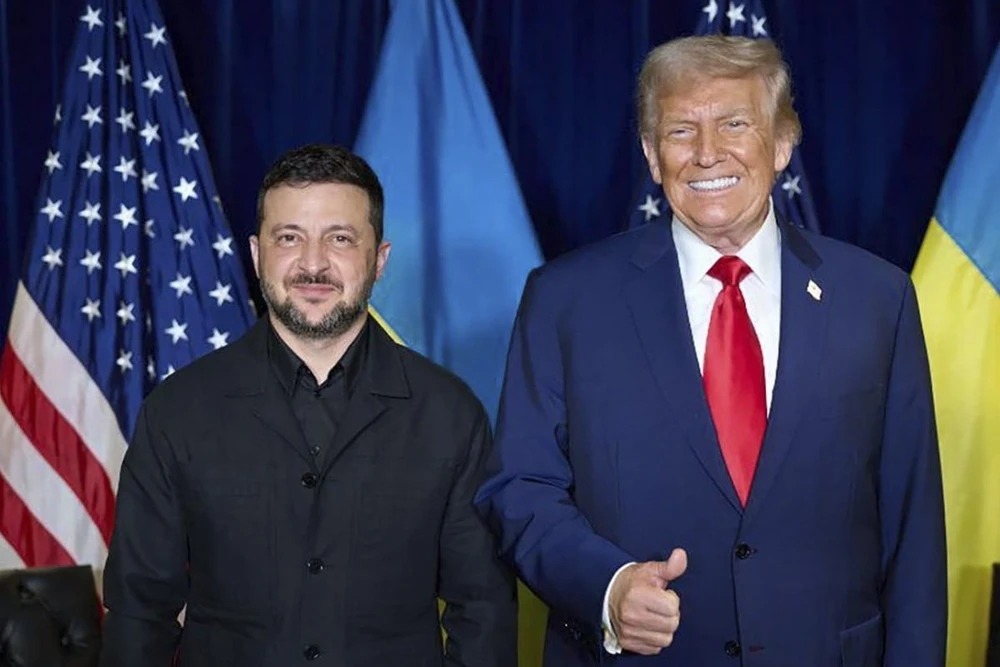
However, not all reactions have been uniformly supportive. Some international actors, particularly those with closer ties to Russia, have expressed concern over Ukraine’s rejection of the peace framework. These countries argue that the ongoing war has caused immense suffering and that a diplomatic solution is urgently needed to stop further escalation.
Russia, for its part, has maintained that it would not back down on its territorial demands, including the annexation of certain Ukrainian regions. This inflexibility has made peace negotiations difficult, as any agreement must take into account Russia’s unwillingness to concede any territorial gains it has made. As a result, Zelenskyy’s rejection of the proposed framework becomes all the more significant in the context of these broader geopolitical tensions.
Some critics have questioned whether Ukraine’s refusal to entertain any territorial concessions might prolong the conflict, but for Zelenskyy and the Ukrainian people, the principle of territorial integrity is paramount. For many, the war has become not just a fight for survival but a fight for the very identity and future of the nation.
Ukraine’s Strategic Position: Fighting for Its Future
The geopolitical implications of Ukraine’s stance are far-reaching. As one of the most strategically significant countries in Eastern Europe, Ukraine’s future will shape the region’s political, economic, and security landscape for decades to come. Zelenskyy’s refusal to surrender any territory is not just about preserving land; it’s about ensuring that Ukraine has the autonomy to shape its future free from external interference.
Ukraine’s strategic importance in the European security framework is undeniable. As the war continues, its relationship with the West, particularly with NATO and the EU, is expected to evolve. While Ukraine’s immediate goal is to protect its borders and maintain its sovereignty, the long-term objective is to strengthen its position within European and global institutions.
By rejecting territorial compromises, Zelenskyy has signaled that Ukraine will not be easily swayed by foreign powers seeking to impose a settlement that benefits one side over the other. This refusal to bow to external pressure demonstrates Ukraine’s determination to fight for its future on its own terms.
The Human Cost: Lives Lost in the Fight for Sovereignty
As peace talks continue and diplomatic efforts evolve, the human cost of this ongoing war cannot be ignored. The conflict has left an indelible mark on Ukraine, with tens of thousands of lives lost and millions displaced. Families torn apart by the violence of war are caught in the middle of political negotiations, and their future remains uncertain.
The rejection of territorial concessions by Ukraine is, in part, a tribute to the countless lives lost defending their land. It is a reflection of the resilience and determination of the Ukrainian people, who have fought and continue to fight for their freedom, dignity, and right to self-determination.

The ongoing war is not just a battle between two nations—it is a battle for the principles of justice, fairness, and the sanctity of national borders. Ukraine’s stance on territorial integrity resonates deeply with those who believe that no country should ever be forced to surrender its sovereignty under the weight of military might.
Conclusion: The Road Ahead for Ukraine and the World
The road to peace remains fraught with challenges. As Zelenskyy and Ukraine’s leaders continue to reject territorial concessions, they face growing pressure from international actors to find a way to end the war. However, Zelenskyy’s firm stance on Ukraine’s territorial integrity is not just a political move—it is a moral stand that will define the nation for generations to come.
As the world watches closely, the question remains: Can Ukraine’s steadfast commitment to sovereignty be reconciled with the urgent need for peace? The answer to this question will shape the future of Ukraine and the broader geopolitical landscape. For now, Ukraine’s refusal to surrender any territory to Russia stands as a symbol of resilience, defiance, and the unyielding desire for a future free from foreign domination.