

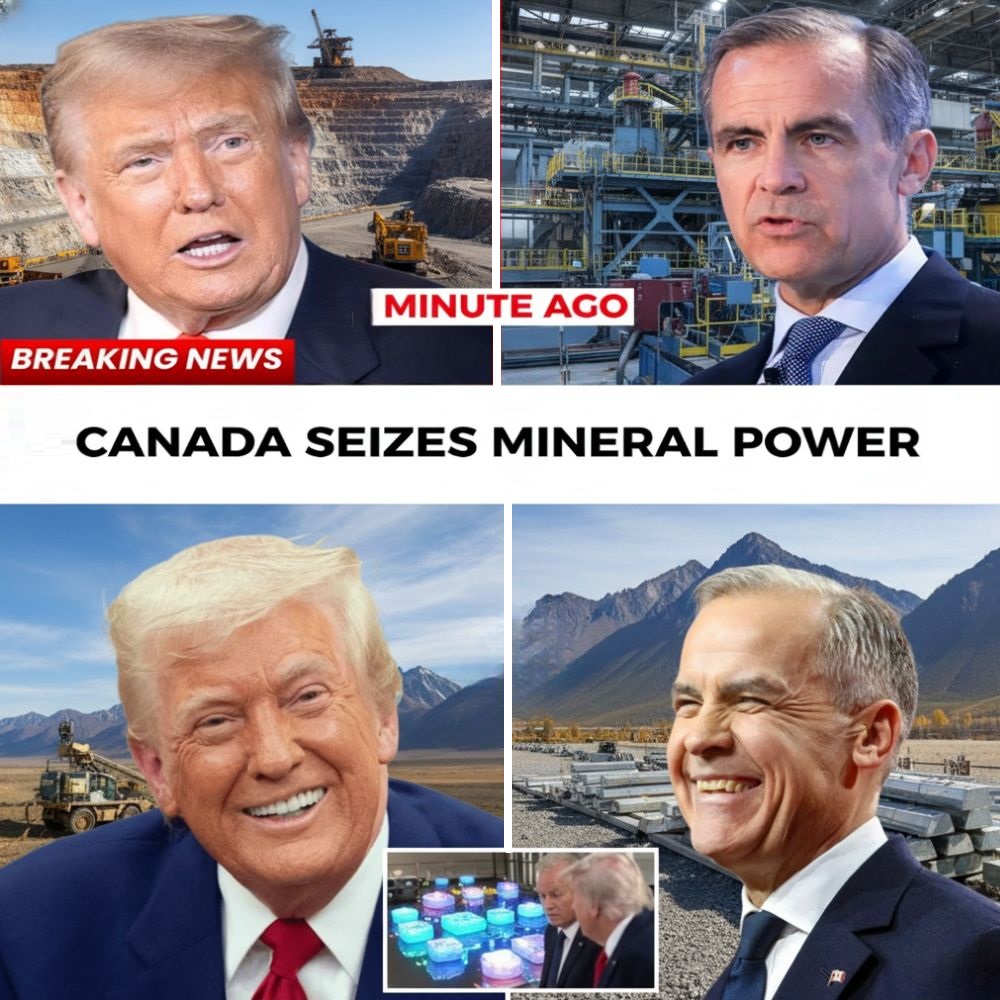
In a stunning turn of events, the United States has made a significant investment in two Canadian critical mineral companies, altering the balance of power in North America. The U.S. government has purchased a 10% stake in Trilogy Metals for $35.6 million and a 5% stake in Lithium Americas, both based in British Columbia.
This move, aimed at securing access to vital resources, has sent shockwaves through both economies. The U.S., known for its confrontational trade tactics, has now adopted a strategy of ownership, transitioning from tariffs to investments in industries crucial for national security.
Critical minerals are at the forefront of this new approach. With China dominating global lithium production, the U.S. aims to reduce its dependence on foreign imports by investing in Canadian firms. This investment represents a shift in U.S. policy, focusing on collaboration rather than confrontation.
However, this strategy comes with a paradox. While the U.S. has gained equity stakes, it has also become reliant on Canadian laws and regulations. The operational decisions for these companies remain firmly under Ottawa’s jurisdiction, meaning the U.S. must navigate Canadian channels for any operational or environmental concerns.
For Canada, this investment is a historic opportunity. The country, once vulnerable to U.S. tariffs, now holds leverage over key resources that the U.S. cannot easily replace. This shift not only brings financial inflow but also enhances Canada’s political standing in the global mineral supply chain.The implications extend beyond these two companies. The moment the U.S. entered the Canadian mining sector, it attracted investor attention, causing a surge in mining stocks and bolstering Canada’s position as a reliable supplier of critical minerals.
Inside the U.S., reactions are mixed. Some fiscal conservatives express concern over government ownership in private companies, fearing it resembles managed capitalism. Economists warn that this approach could distort competition and undermine the free market principles that have traditionally defined American economic policy.Meanwhile, allies of the U.S. are recognizing Canada’s stability as an attractive alternative for supply and investment. As trade tensions escalate, Canada is positioned as a dependable partner, bolstering its role in the global economy.
Ironically, Trump’s strategy to consolidate control over supply chains has inadvertently strengthened Canada’s global standing. The very tariffs intended to exert pressure have now transformed into tools of leverage for Canada, showcasing the complexities of a globalized economy.
In summary, the U.S. investment in Canadian mining companies marks a pivotal moment in North American economic relations. It highlights a dramatic shift in power dynamics, with Canada emerging as a key player in the critical minerals market. As the U.S. navigates this new reality, it must contend with its dependence on a neighbor it once sought to pressure. The balance of power has quietly shifted north, and Canada now holds the upper hand.